
How to Create Flow Between Old and New Spaces During a Partial Remodel
To create flow during a partial remodel, connect old and new spaces through repeated architectural elements, coordinated materials, thoughtful flooring transitions, and subtle design details like lighting and trim profiles. These small connections create a cohesive home even when only part of the space is remodeled.
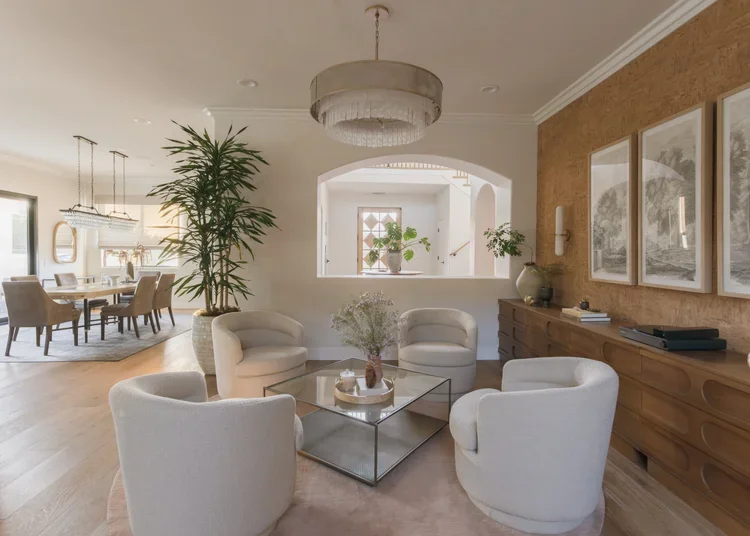
Avenue D
One of the most common challenges homeowners face during a remodel is making a new space feel like it belongs with the rest of the house.
Many homes in Redondo Beach, Palos Verdes, Manhattan Beach, Westchester, Culver City, and Los Angeles are not undergoing full gut renovations. Instead, homeowners are remodeling a kitchen, adding a bedroom, extending the back of the house, or updating one section at a time.
When this happens, the goal is simple:
The home should feel cohesive, not like two different houses stitched together.
The way to achieve that is through what I like to think of as an “invisible string” that moves through the spaces.
You may not consciously notice it, but small design decisions can quietly connect old and new areas so the transition feels natural.
Here’s how to think about it:
Start With Architectural Alignment
One of the first things I pay attention to when designing a partial remodel is how architectural elements align between spaces.
Ceiling heights are a big one. When you remodel a kitchen but the living room stays the same, or when you add square footage to an older home, the proportions between spaces suddenly matter a lot more.
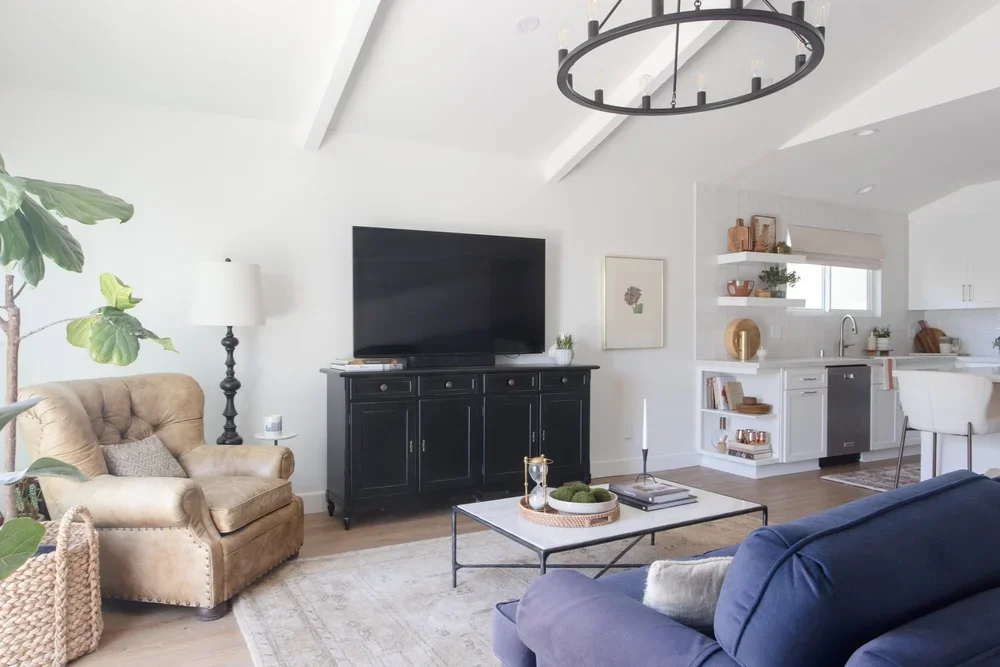
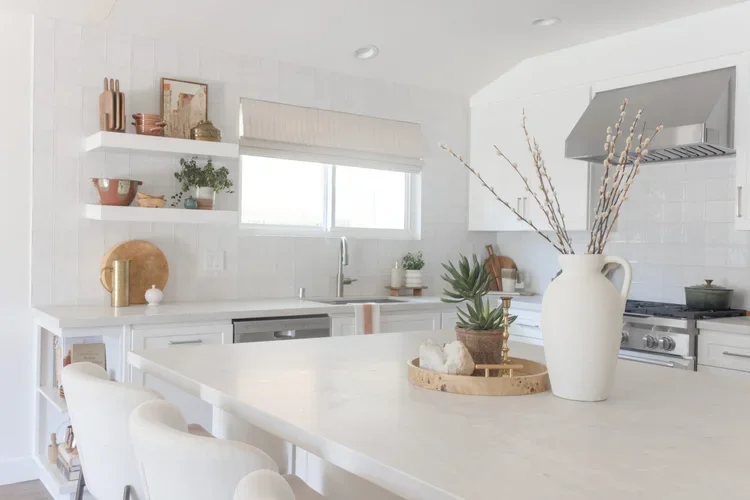
For example, I worked on a kitchen remodel next to a living room with vaulted ceilings and exposed beams. When we opened the wall between the two spaces, I was very mindful of how the new kitchen layout interacted with those existing beams.
The island placement and pendant lights were aligned with the beam structure from the living room so the two spaces felt intentionally connected.
Small alignments like that can make the entire remodel feel cohesive.
Create an “Invisible String” Between Spaces
When two spaces need to connect visually, they should talk to each other stylistically.
This does not mean they need to be identical.
Instead, they should share subtle references. Think of it as an invisible thread tying them together.
For example:
An arch in an older room could be echoed in the shape of a light fixture in the new space
A fireplace opening could mirror an arch detail in a nearby kitchen
Window shapes, molding profiles, or lighting curves can quietly repeat throughout the home
These details are subtle, but they create continuity that helps old and new spaces feel like they belong together.
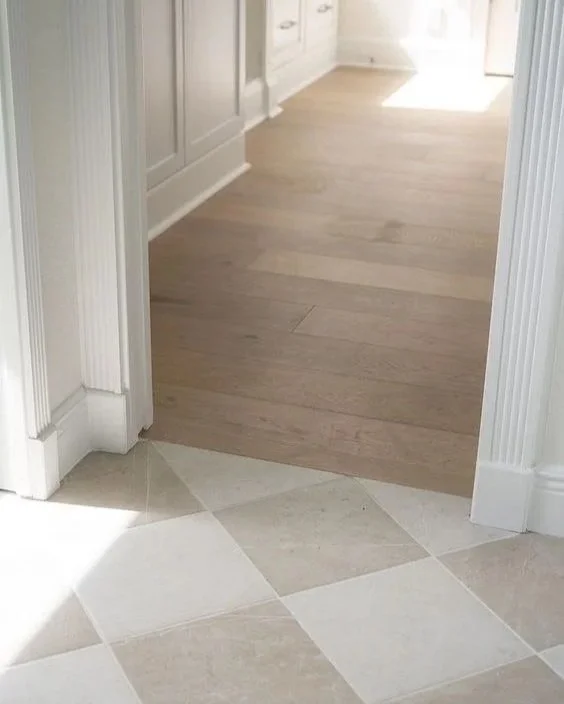
Be Strategic With Flooring Transitions
Flooring is one of the biggest areas where partial remodels can feel disjointed.
When selecting flooring or deciding where one material stops and another begins, it helps to think about what you can see from a single vantage point.
Ideally, you don’t want to see more than two different flooring materials at once.
If three flooring materials are unavoidable, they should not all be the same category. For example:
Instead of:
Wood in one color
Wood in another color
Wood in a third color
It’s usually better to break it up with contrast, such as:
Wood flooring
A tile flooring
Another wood tone
That difference makes the transition feel intentional rather than accidental.
Update Elements in the Existing Space
Another common mistake during remodels is creating a beautiful new space that doesn’t match the style of the rest of the house.
Sometimes the easiest solution is not to change the new space. It’s to make small updates in the old space.
Two of the simplest upgrades are:
Updating light fixtures
Updating a fireplace surround
For example, in many Redondo Beach townhomes I see homeowners remodel the kitchen but leave the living room untouched. Updating the fireplace and lighting at the same time can instantly help the spaces feel connected.
Repeat Materials and Details
Consistency across small details can do a lot of heavy lifting in a remodel.
Some of the design strategies I often use include:
Carrying the same trim or molding profiles through windows and floors
Using similar lighting styles throughout connected spaces
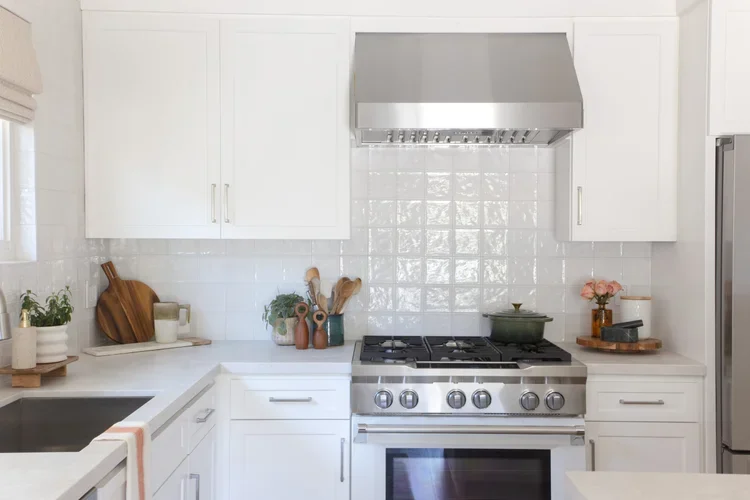
Repeating or choosing “cousin materials,” like tiles with a similar finish or shape but different colors
Using consistent door hardware throughout the home
These touches help reinforce that invisible (string) connection between spaces.
Respect the Home’s Original Architecture
This becomes especially important in places like Palos Verdes where many homes have very specific architectural identities.
For example, I often see mid-century homes with post-and-beam construction that are remodeled with very traditional kitchens. The result can feel disconnected from the architecture of the house.
Instead, the new space should acknowledge the original design language. Clean lines, beam alignment, and thoughtful material choices can help maintain the integrity of the home while still updating it.
Think About Flow From the Start
In areas like Manhattan Beach and Westchester, where smaller homes are frequently expanded, the floor plan plays a huge role in how the house feels once the remodel is complete.
Additions should not feel like a separate section of the home. The layout, materials, and visual cues should guide you naturally from one space to the next.
When done well, you shouldn’t immediately know where the original house ended and the new construction began.
That’s the goal.
A Remodel Should Feel Intentional
The best remodels feel effortless, but they’re rarely accidental.
Creating flow between old and new spaces requires thinking about architecture, materials, and small design decisions that connect rooms together.
When those details are considered early in the design process, the entire home feels cohesive instead of pieced together.
Ready to Plan Your Remodel?
If you’re planning a kitchen remodel, home addition, or partial renovation in Redondo Beach, Palos Verdes, Manhattan Beach, Westchester, Culver City, or Los Angeles, thoughtful planning can make the difference between a home that feels patched together and one that feels completely intentional.
Book a design consultation and let’s create a plan that brings your spaces together beautifully.
From My Experience Designing Homes in the South Bay and Los Angeles:
In many homes I work on in Redondo Beach, Manhattan Beach, Palos Verdes, Westchester, and Culver City, the remodel is rarely a full gut renovation. More often, homeowners are updating one area of the home while other spaces remain unchanged.
One example was a kitchen remodel next to a living room with vaulted ceilings and exposed beams. When we opened the wall between the two spaces, the challenge was making the new kitchen feel connected to the existing architecture.
Instead of ignoring the beam structure, we aligned the kitchen island and pendant lighting with the direction of the beams in the living room. It’s a small detail, but that alignment helped the two spaces feel like they were designed together rather than remodeled at different times.
These are the types of decisions that create flow in a home. They are subtle, but they make a big difference in how a remodel feels once it’s finished.
Frequently Asked Questions
How do you make a new addition match the rest of the house?
The key is creating visual connections between the old and new spaces. This can be done by repeating architectural details such as molding profiles, window shapes, arches, wood tones, or lighting styles. The goal is to create subtle continuity so the new space feels like it belongs with the original home rather than looking like a separate addition.
How do you transition flooring during a remodel?
When transitioning flooring, it is important to think about what materials are visible from a single vantage point. Ideally, you should not see more than two flooring types at once. If three materials are necessary, they should not all be the same category. For example, combining wood flooring with tile can create a more intentional transition than using multiple wood tones.
How do you maintain flow between remodeled and existing spaces?
Maintaining flow comes down to repeating small design elements throughout the home. Consistent trim profiles, similar lighting styles, cohesive hardware finishes, and complementary materials can create a subtle visual thread that connects different rooms together.
Should a kitchen remodel match the rest of the house?
A kitchen remodel should respect the architectural style of the home while still feeling updated. Instead of copying every detail exactly, the new space should reference the original design through materials, proportions, and architectural elements so the home feels cohesive.
What is the biggest mistake homeowners make during partial remodels?
One of the most common mistakes is designing the new space without considering how it connects to the rest of the house. This can result in a remodel that feels like a completely different style or era. Small updates to adjacent spaces, such as new lighting or a refreshed fireplace surround, can help bring everything together.
