
What Most Designers Don’t Understand About Construction (And Why It Costs Homeowners More)
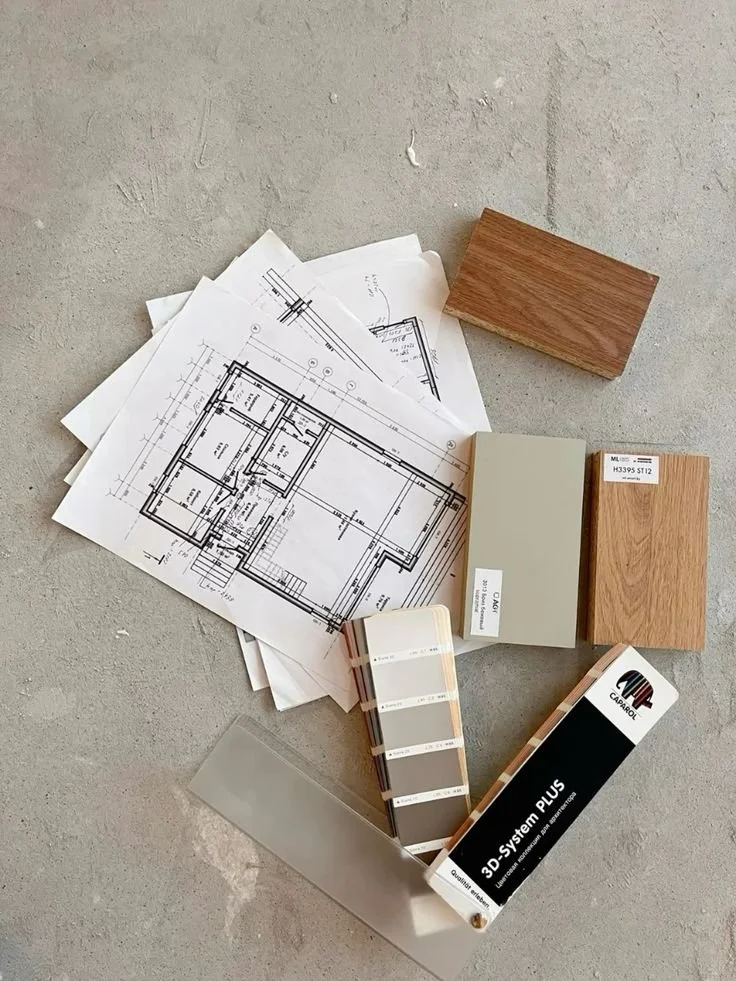
Most homeowners assume that once they hire a designer, the hard part is over. The vision is set. The finishes are chosen. The rest should be smooth.
But this is where many remodels quietly start to unravel.
The truth is, beautiful design without construction understanding often leads to costly detours—change orders, delays, compromised layouts, and unnecessary stress. Not because anyone did something “wrong,” but because design and construction weren’t speaking the same language early enough.
Here’s what most designers don’t fully understand about construction—and why it matters so much for homeowners.
Design Doesn’t Stop at the Pretty Part
Many designers are incredibly talented visually. Where things get tricky is when design decisions are made without a clear understanding of how a home is actually built.
Construction has rules. Structure has limits. Systems have constraints. And when those aren’t considered early, the contractor becomes the one delivering bad news later.
That’s when costs creep up.
1. Structural Awareness Changes Everything
One of the biggest disconnects I see is around structural plans.
Most designers don’t read them.
I do.
Being able to read structural drawings allows me to spot where costly engineering moves are likely to happen—before a client falls in love with an idea that will be expensive to execute.
Shear walls. Load paths. How weight is carried through the house. These aren’t abstract concepts to me. My background is in construction management, and my favorite class in college was architectural engineering. That foundation allows me to collaborate with engineers early and find solutions that respect both the design intent and the homeowner’s budget.
Sometimes that means adjusting the design slightly. Other times it means working with engineers to make smart, efficient structural decisions instead of over-engineering the solution.
Either way, awareness upfront saves money later.
2. Contractors Need to Understand the Assignment
Contractors are the ones responsible for making the final product beautiful. For that to happen, they need clarity.
Design intent can’t live only in your head or on a mood board.
Unique details, custom moments, and non-standard installations need to be communicated clearly and early so contractors can plan appropriately. When that doesn’t happen, you see delays, misinterpretations, or last-minute scrambling on site.
I involve builders early because it matters. Not to hand design control over—but to make sure everyone understands the assignment and can execute it smoothly.
When designers and contractors work as collaborators instead of passing problems back and forth, projects run better. Period.
3. Finishes Aren’t Just Aesthetic — They’re Strategic
Another common issue is unfinished decision making.
When finishes aren’t fully specified before construction pricing, contractors are forced to estimate. Estimates turn into allowances. Allowances turn into surprises.
Having finishes selected early allows contractors to price accurately and homeowners to understand where the money is actually going. It reduces guesswork and prevents the “we didn’t realize that would cost extra” moment mid-build.
This is why pre-construction planning matters so much.
If you’re preparing for a remodel or rebuild, this is exactly why I created my Pre-Construction Checklist—to help homeowners get organized and avoid costly oversights before construction begins.
👉 Click to Download the Before you Build Checklist
4. Change Orders Are Preventable (Most of the Time)
Change orders are often treated as unavoidable. In reality, many of them are the result of late decisions or missing coordination.
Planning everything ahead—layout, finishes, special details—dramatically reduces the need for mid-construction changes. And when something is complicated, I make sure it’s communicated clearly so there are no surprises once walls are open.
Good planning doesn’t slow projects down.
It keeps them moving.
5. From a Real Estate Perspective, Layout Is ROI Gold
This is where my real estate background really comes into play.
I see beautiful materials layered onto dysfunctional floor plans all the time.
Poor kitchen flow. Tight clearances. Awkward furniture layouts. These things turn buyers off faster than dated finishes ever will. Layout affects how a home lives—and how it’s perceived.
Another common mistake is designing one space in isolation. When newly remodeled areas don’t “talk” to the rest of the home, the house loses cohesion and value.
Ignoring layout in favor of finishes is one of the fastest ways to hurt long-term ROI.
A Real-World Example
During a kitchen remodel, a client wanted the pantry door placed on a wall that housed an HVAC return. I immediately knew the cost of moving it wouldn’t justify the design payoff.
Instead of having the contractor bid it out, reject it, and force a redesign, we relocated the door to a better location from the start. No wasted time. No unnecessary engineering. No added cost.
That’s the difference construction awareness makes.
Why This Matters for Homeowners
You don’t need to understand construction to remodel your home—but your designer should.
Design decisions affect structure, cost, timeline, and long-term value. When those decisions are made with construction and real estate awareness, the entire process feels calmer, clearer, and far more intentional.
My role isn’t just to make your home beautiful.
It’s to protect your investment and help you make decisions that make sense—now and later.
If you’re planning a remodel and want to start with clarity instead of overwhelm, begin with the Pre-Construction Checklist and make sure your project is set up for success from day one.
