
Why Some Homes Feel Good and Others Don't: The Psychology Behind Great Design
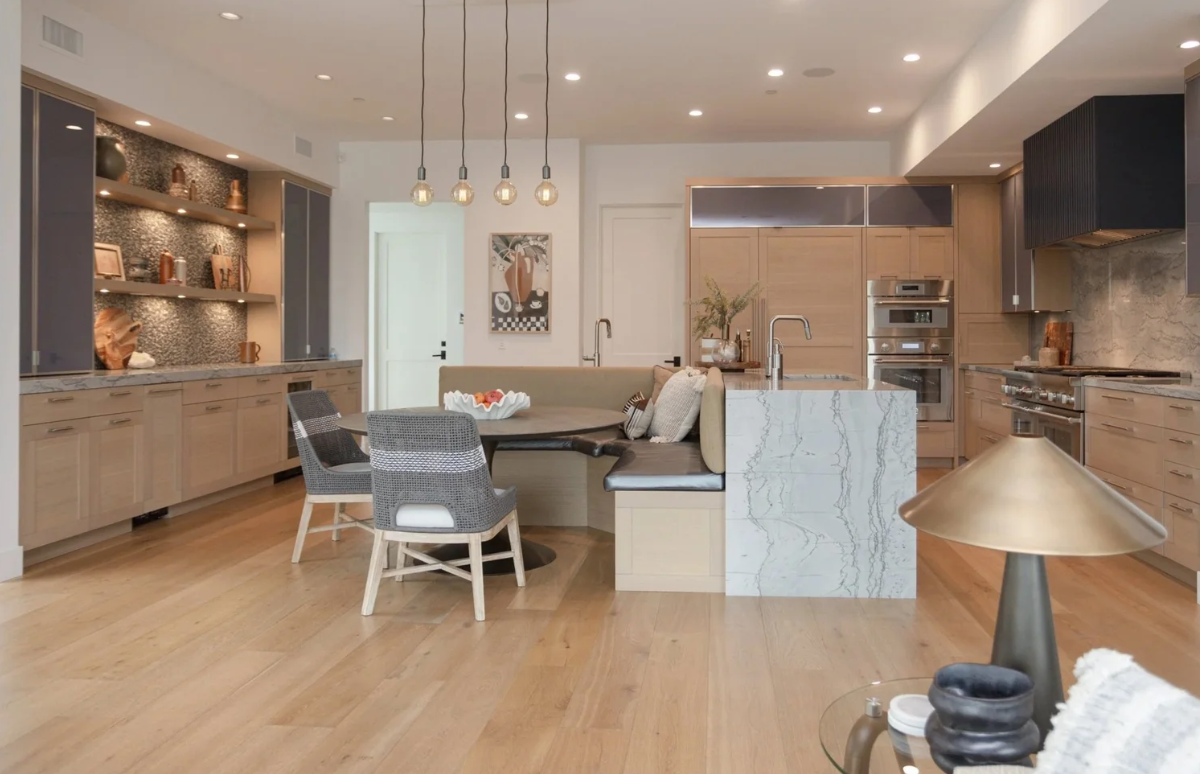
Have you ever walked into a home and immediately felt at ease?
You can't quite explain why. Nothing is necessarily extravagant. Nothing is screaming for attention. Yet somehow the space feels good.
Then you've probably experienced the opposite.
A beautiful home on paper. Expensive finishes. Stylish furniture. Plenty of square footage.
But something feels off.
You find yourself feeling restless. Distracted. Unsettled.
As a South Bay interior designer, this is one of the most common things I hear from homeowners. They often assume the problem is the furniture, the paint color, or the decor. In reality, the reason a home feels good, or doesn't, usually has much less to do with decorating and much more to do with how the home was designed to be experienced.
Your Home Impacts More Than You Realize
Every day, your brain is constantly processing information from your environment.
What you can see.
What you can't see.
How you move through a space.
How much visual information is competing for your attention.
How natural light enters the room.
Whether your surroundings feel organized or chaotic.
Most of this happens subconsciously, but your body responds to it all.
That's why some homes help you feel grounded, focused, and relaxed while others leave you feeling overstimulated without knowing exactly why.
The best homes don't just look beautiful. They support the people living in them.
One of the Most Overlooked Design Principles: Expansion and Contraction
One of the concepts I wish more homeowners understood is expansion and contraction.
Contraction happens when you move through a narrower space.
A hallway.
A lower ceiling.
A passageway.
A transitional area between rooms.
Expansion happens when you enter a larger, more open space.
A great room.
An open kitchen.
A living room with higher ceilings and abundant natural light.
These transitions help define experiences within a home.
When designed intentionally, they create a sense of arrival.
Your body physically feels the difference.
The contrast between compression and openness makes spaces feel more dynamic, more purposeful, and often more luxurious.
Without realizing it, you're experiencing architecture through your nervous system.
A Real-Life Example from a Manhattan Beach Remodel
I was recently brought onto a Manhattan Beach remodel early in the planning process, a decision that ultimately gave the homeowner far more opportunities to improve the way the home would function and feel.
When I first reviewed the floor plan, one thing immediately stood out.
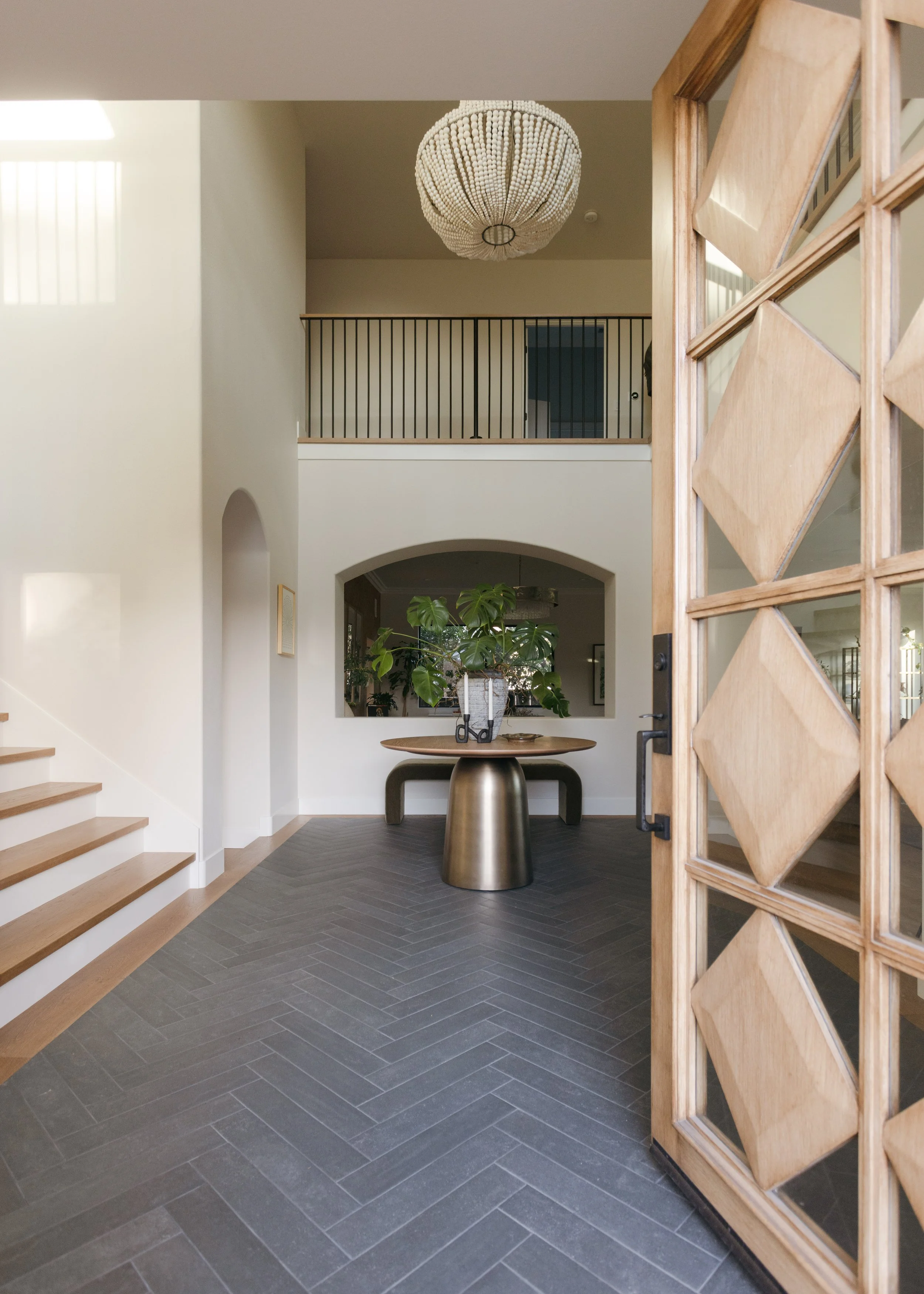
From the front door, you could see almost the entirety of the home.
While many people assume openness is always better, this level of visual exposure can actually feel overwhelming. There was no opportunity to arrive, settle, and orient yourself before being exposed to every major living space at once.
Using the principles of expansion and contraction, I adjusted the floor plan to better define the experience of moving through the home.
Rather than seeing everything immediately, the entry now creates a moment to land and feel grounded before opening into the larger living spaces.
The living room and kitchen still feel expansive, but they feel more intentional because they are revealed gradually.
We also created a hallway leading to the bedrooms that acts as a transition between public and private spaces.
It becomes a physical reminder that you're changing gears.
Moving from entertaining and gathering into rest and retreat.
Nothing about that adjustment changed the overall square footage of the home.
But it completely changed how the home would be experienced every day.
This is one of the reasons I encourage homeowners to involve an interior designer early in the remodel process. Many of the decisions that impact how a home feels are made long before finishes, furniture, and lighting are selected.
What You See Matters
Expansion and contraction don't only happen physically.
They also happen through your line of sight.
What you see from the kitchen.
What you see when you walk through the front door.
What you see when you're sitting on the couch at the end of a long day.
Every view inside a home either supports a feeling of calm or creates low-level stress.
When sight lines are cluttered, your brain continues processing information long after you've stopped consciously noticing it.
Can you see piles of mail from the kitchen island?
Countertop appliances from the living room?
Open shelving filled with everyday clutter?
The laundry room from your main entertaining spaces?
Many homeowners focus on adding square footage when the bigger issue is often what they're exposed to visually every day.
What you can see can either calm your nervous system or stress it out.
The Hidden Cost of Visual Clutter
Visual clutter isn't always clutter in the traditional sense.
Sometimes beautiful things are displayed everywhere.
Open shelving packed with accessories.
Glass-front cabinets filled with mismatched items.
Too many decorative objects competing for attention.
Individually, these elements may be attractive.
Collectively, they create work for your brain.
Your eyes never get a chance to rest.
This is one reason I often recommend more concealed storage than homeowners initially expect.
Closed cabinetry.
Thoughtful organization.
A place for everyday items to disappear when they're not being used.
Luxury isn't about owning more things.
It's about creating space for your mind to breathe.
Balance Matters More Than Luxury Materials
Another often-overlooked factor is how materials interact with light.
Many homeowners associate luxury with reflective finishes… glass, polished stone, glossy cabinetry, mirrored surfaces, and metal accents.
While these materials can be beautiful, too many reflective surfaces in one space can create visual fatigue.
Your eyes are constantly processing light bouncing from one surface to another. The result can feel harsher and more stimulating than intended.
The most comfortable spaces create balance.
If a room includes large expanses of glass, I often balance them with warmer, more absorptive materials such as natural wood, textured fabrics, plaster, or honed stone.
I encountered this on a recent project in Long Beach where the home featured significant glazing and reflective finishes throughout. Rather than adding more polished materials, we introduced warmer textures and matte surfaces that helped absorb light and create visual relief.
The result wasn't a darker space… it was a calmer one.
Luxury isn't about maximizing every feature.
It's about creating balance between them.
Nature Plays a Bigger Role Than Most People Think
Humans are wired to respond positively to nature.
It's one reason why homes with abundant natural light, organic materials, and a connection to the outdoors often feel so much better to be in.
Natural light helps regulate circadian rhythms, supporting better sleep, energy levels, and overall wellbeing.
Natural materials like wood, stone, linen, and wool bring warmth and authenticity that synthetic materials often struggle to replicate.
Plants soften a space and reconnect us with the natural world.
Even something as simple as creating a stronger visual connection to a backyard, courtyard, or garden can dramatically change how a home feels.
The Real Question Homeowners Should Ask Before Remodeling
Most homeowners begin a remodel by asking:
"What finishes do I want?"
"What style do I like?"
"What color should the cabinets be?"
Those questions matter.
But they aren't the first questions.
The better question is:
"How do I want this home to support my life?"
How do you spend your mornings?
Where does your family naturally gather?
What causes daily frustration?
What are your goals for this next chapter of life?
The answers to those questions should drive every design decision that follows.
In my experience, homeowners often think they have a decorating problem when they actually have a layout problem, a functionality problem, or a visual clutter problem.
Solving the right problem first creates a much better outcome.
Why This Matters Before Construction Begins
Many of the decisions that have the biggest impact on how a home feels happen long before furniture, lighting, and finishes are selected.
They happen during planning.
This is one reason I encourage homeowners to bring an interior designer into the process early.
Because when design conversations happen alongside architectural planning, we can influence layout, sight lines, room relationships, storage solutions, furniture planning, and how the home will actually function once it's built.
As someone with a degree in Construction Management from Cal Poly San Luis Obispo, I can read plans and identify opportunities that homeowners often don't realize exist.
Those decisions are much harder—and often much more expensive—to change later.
A Home Should Support the Life You Want to Live
If there is one thing I wish homeowners knew before spending money on furniture, finishes, or construction, it's this:
The goal isn't simply to create a beautiful home.
The goal is to create a home that supports your life.
A home that helps you feel grounded.
A home that reduces friction instead of creating it.
A home that supports your routines, your relationships, your wellbeing, and your goals.
Because when a home is designed around the people living in it, beauty becomes the natural result.
And that's when a home begins to feel different..
not just visually, but emotionally.
Ready to Create a Home That Supports Your Life?
Whether you're planning a remodel, building a new home, renovating a kitchen, updating a bathroom, or redesigning your entire home, the most important decisions happen before the finishes are selected.
At Michelle Accetta Home, I help homeowners throughout Manhattan Beach, Hermosa Beach, Redondo Beach, Palos Verdes Estates, Rancho Palos Verdes, Rolling Hills Estates, Torrance, and the greater South Bay create homes that are both beautiful and deeply functional.
My approach combines interior design, space planning, and construction knowledge to ensure your home doesn't just look good—it feels good to live in every day.
If you're considering a remodel or new construction project and would like guidance early in the planning process, I'd love to help.
Schedule a design consultation today and let's create a home that supports the life you want to live.
Frequently Asked Questions
Why does my home feel stressful even when it's beautiful?
The issue is often related to layout, functionality, sight lines, visual clutter, or how spaces connect to one another. A home can be beautiful and still create daily friction.
What is expansion and contraction in interior design?
Expansion and contraction refers to the experience of moving between smaller, more compressed spaces and larger, more open spaces. This contrast helps create flow, comfort, and a sense of arrival within a home.
Why do some open floor plans feel overwhelming?
When every room is visible at once, your brain is forced to process more information simultaneously. Strategic transitions and thoughtful sight lines help create a more comfortable experience.
How do sight lines affect how a home feels?
Sight lines determine what you see from key locations throughout your home. Visible clutter, storage areas, appliances, and busy spaces can create subconscious stress.
Can an interior designer help before construction starts?
Yes. Involving an interior designer during the planning phase often leads to better layouts, fewer change orders, improved functionality, and a home that better supports your lifestyle.
Why is natural light important in a home?
Natural light helps regulate circadian rhythms, improve mood, support energy levels, and create a stronger connection to the outdoors.
Do reflective surfaces affect how a room feels?
Yes. Too many reflective surfaces can create visual fatigue. Balancing glass, polished stone, and metal with warmer materials such as wood, plaster, textiles, and honed stone often creates a more comfortable environment.
Is it better to have open shelving or closed storage?
Both can work, but excessive open shelving often contributes to visual clutter. Most homeowners benefit from incorporating more concealed storage.
When should I hire an interior designer for a remodel?
Ideally, before architectural plans are finalized. Early collaboration allows for better space planning, furniture layouts, storage solutions, and more efficient construction.
What areas do you serve?
Michelle Accetta Home provides interior design services throughout Manhattan Beach, Hermosa Beach, Redondo Beach, Palos Verdes Estates, Rancho Palos Verdes, Rolling Hills Estates, Torrance, and the greater South Bay area of Los Angeles County.
