
What Makes Boutique Hotel Interiors Attract More Guests?
(And Why Some Stay Fully Booked While Others Feel Forgettable)
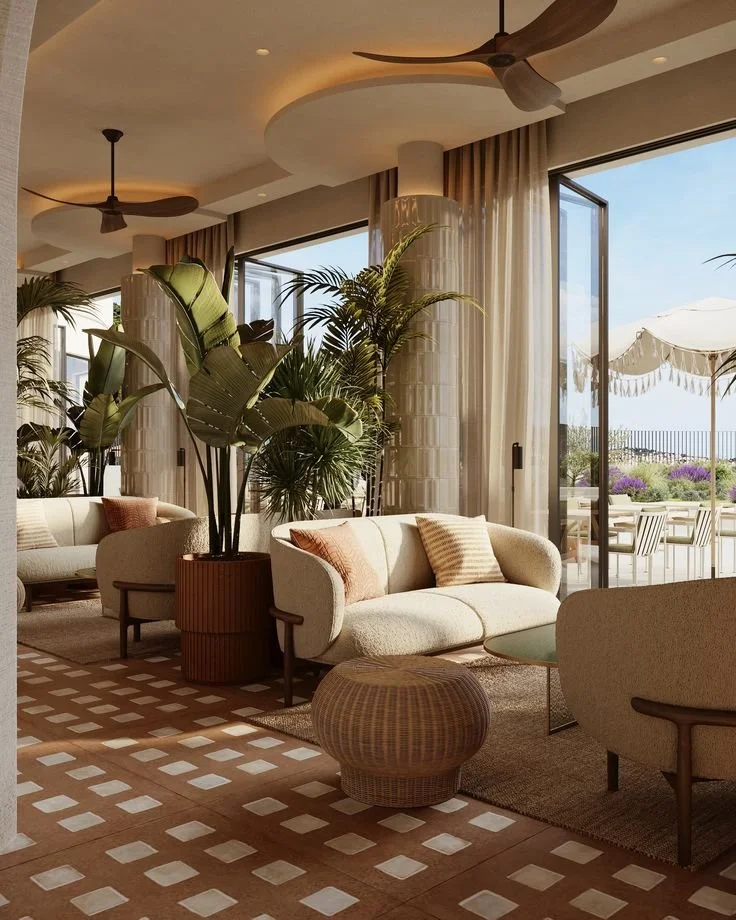
The Veranda at Hotel Kali
If you’ve ever chosen a boutique hotel over a larger chain, you already understand something important:
You’re not just booking a place to sleep.
You’re booking an experience.
And in places like the South Bay and Los Angeles, where travelers have endless options, that experience is often what determines whether a hotel gets booked… or overlooked.
The difference almost always comes down to design.
Quick Answer: What Makes Boutique Hotels More Attractive to Guests?
Boutique hotel interiors attract more guests when they create a distinct identity through storytelling, layered materials, local influence, and memorable design moments. These elements turn the hotel into part of the guest experience, allowing properties to command higher rates and drive repeat bookings.
Why Most Boutique Hotels Fall Short
Most boutique hotels look good.
But they don’t feel like anything.
They play it safe.
They follow trends.
They don’t fully commit to a point of view.
And that’s the problem.
Guests don’t choose boutique hotels for something generic… they choose them to feel transported.
They want moments.
They want emotion.
They want to remember where they stayed.
When a hotel doesn’t push far enough, it gets lost… even if the finishes are beautiful.
What Defines a True Boutique Hotel Experience
A true boutique hotel is:
Curated
Intimate
Layered with intention
Emotionally engaging
It feels personal.
The scale is smaller, but the impact is bigger.
The hotel almost acts like a presence in your trip… something you experience alongside the destination, not just pass through.
South Bay Boutique Hotels: Designing for Coastal Experience
In the South Bay… places like Manhattan Beach, Redondo Beach, and Palos Verdes Peninsula… the opportunity is very specific.
Guests are coming for:
the ocean
the light
the lifestyle
the calm, elevated coastal energy
But many spaces default to what they think a beach aesthetic should be.
That’s where design can go wrong.
Designing “Adjacent to Nature”
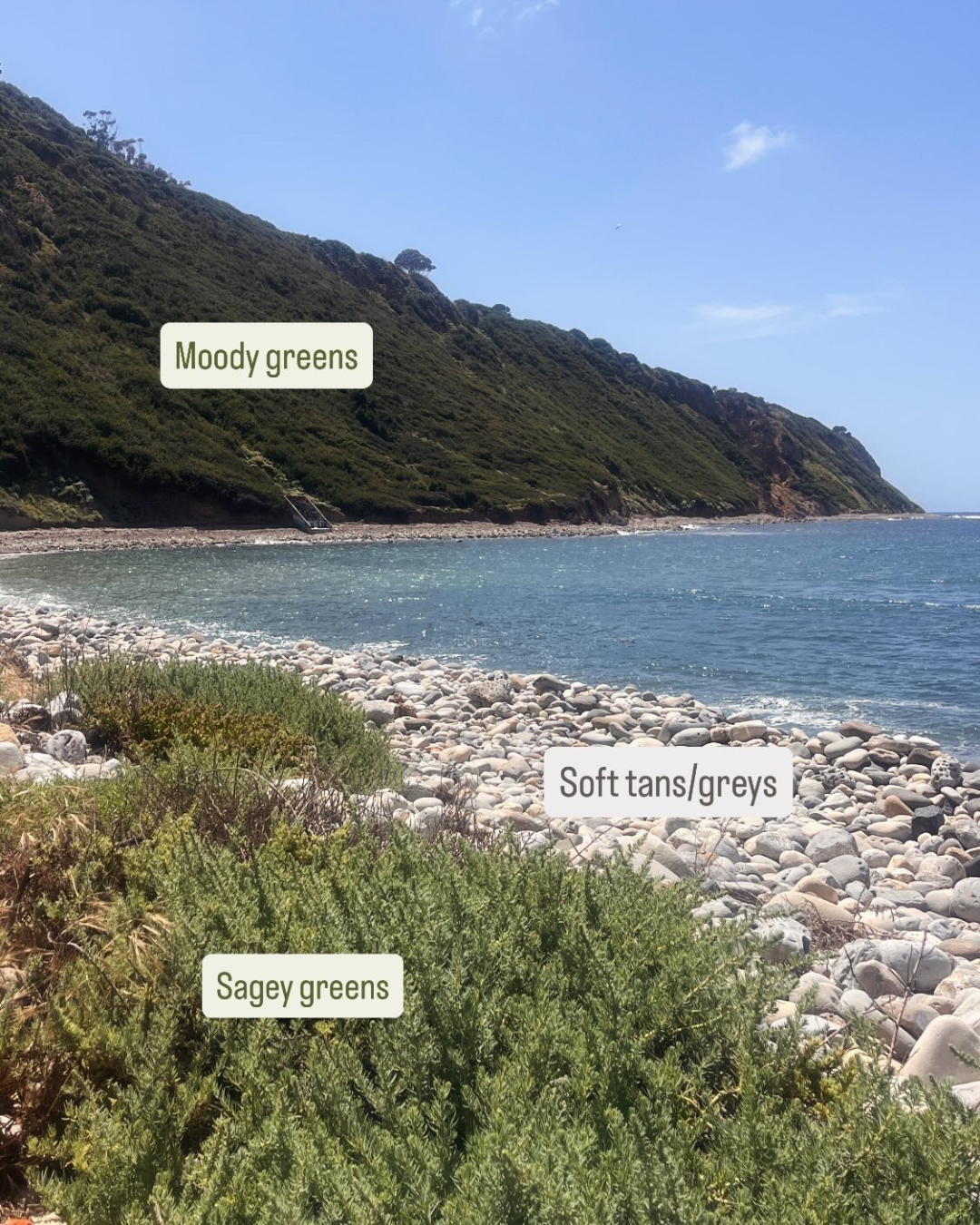
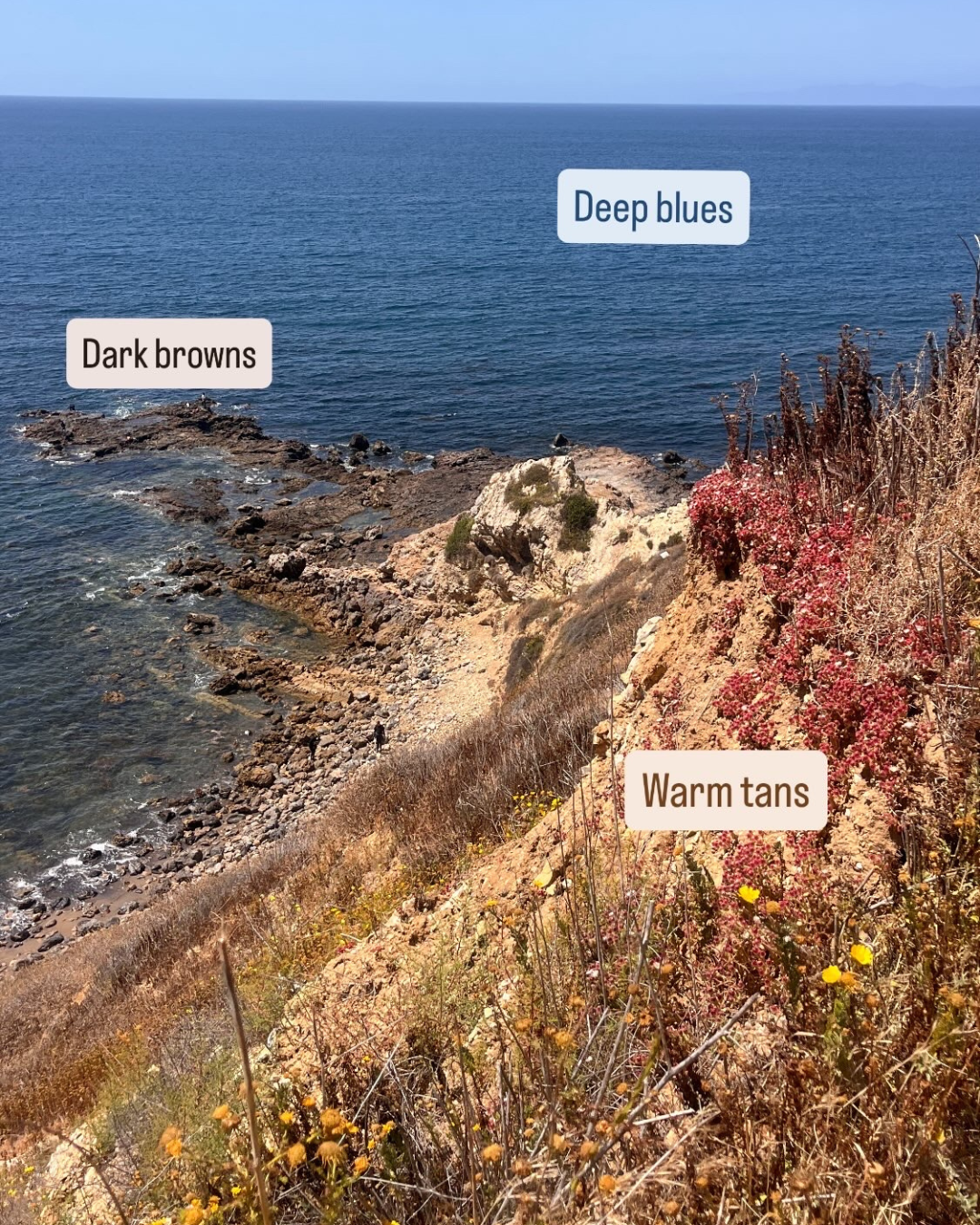
Instead of copying trends, the strongest boutique hotel interiors in the South Bay pull from what’s already there.
This means:
palettes inspired by sand, stone, and ocean tones
materials that feel natural, not manufactured
textures that reflect the surrounding environment
It’s less about creating a “beach look”… and more about creating a space that feels like it belongs there.
Storytelling Through Design
A boutique hotel should have a story… even if it’s subtle.
That story can come through:
the history of the building
preserved architectural details like beams or original flooring
local artifacts or materials
references to the surrounding neighborhood
The space should feel like something guests can get to know… not just move through.
Tactile Materials That Create Depth
One of the biggest differences between a forgettable space and a memorable one is how it feels… not just how it looks.
Some of the most impactful materials I saw recently, and use often, include:
Breeze block to create separation while keeping openness
Stone to ground a space and bring in an earthy depth
Layered textiles to soften and add personality
These materials create dimension.
They invite interaction.
And they make a space feel lived in… not staged.
The Power of “Instagrammable” Moments (Done Right)
The best boutique hotels create moments that people want to capture…
But not in an obvious or forced way.
It’s not about creating a photo wall.
It’s about creating an experience.
This comes from:
layered lighting
contrast in textures
unexpected material combinations
moments that feel like a different place or time
When done well, guests naturally take photos… and share them.
That becomes organic marketing.
Los Angeles Boutique Hotels: Designing for Identity
In a broader market like Los Angeles, the opportunity shifts.
Here, it’s less about calm… and more about identity.
Guests are looking for:
something distinct
something expressive
something they can’t get anywhere else
This is where boutique hotels can lean further into:
bold material choices
layered cultural influences
statement spaces like lobbies and rooftops
Where Design Has the Biggest Impact
From a design standpoint, the most important spaces in a boutique hotel are:
Lobby Spaces
This is the first impression. It sets the tone for the entire stay.
Rooftop Areas
These become destinations within the hotel… places guests want to spend time.
These are the areas where design can create the strongest emotional response… and where it makes the biggest difference in perception and value.
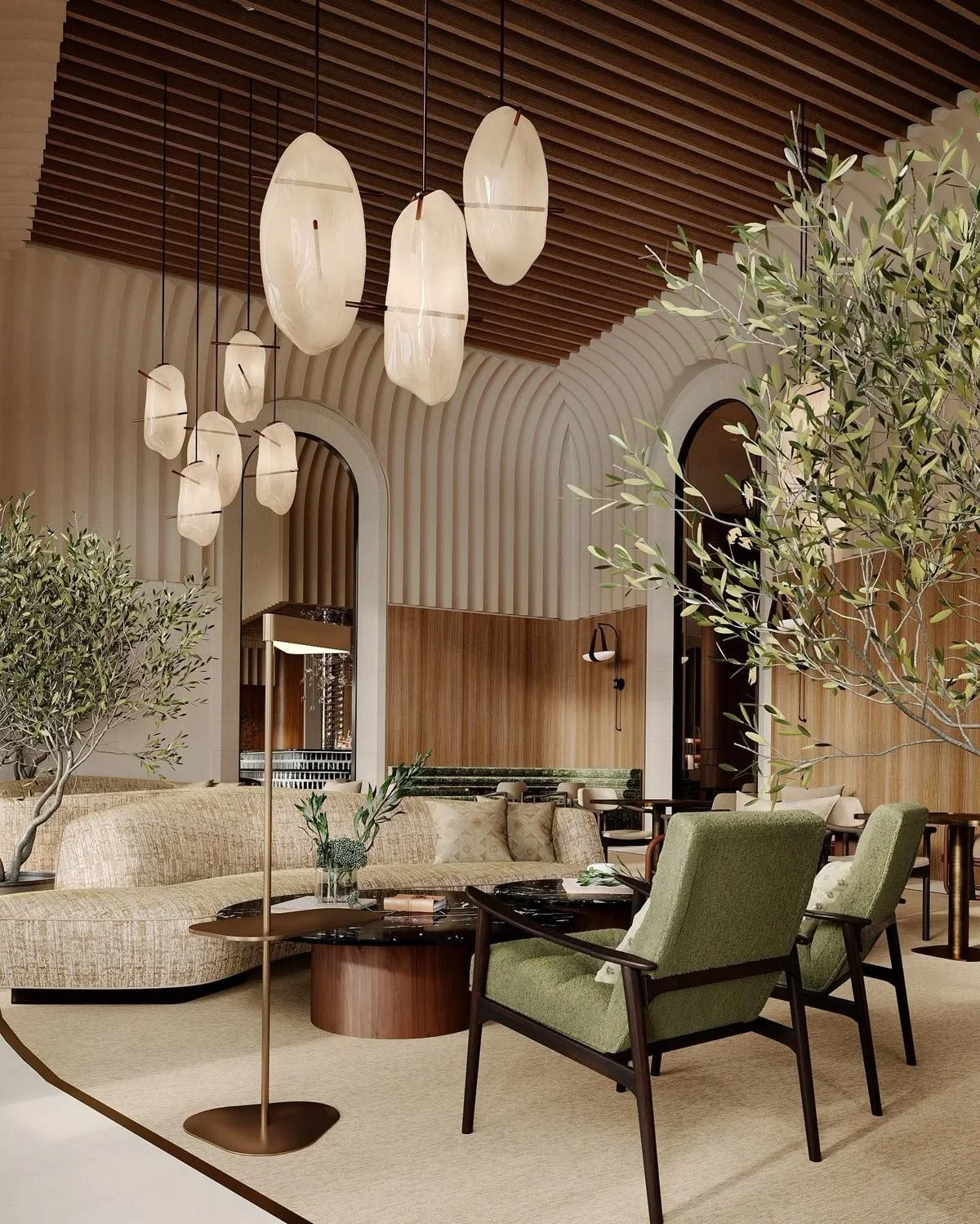
Mantera 5* Resort
How Design Drives Revenue
Good design doesn’t just make a space look better.
It changes how the hotel performs.
Well-designed boutique hotels:
command higher nightly rates
attract more walk-in traffic
encourage guests to stay on property longer
generate repeat bookings
create word-of-mouth and social sharing
Guests are willing to pay more for a space that feels unique and intentional.
Because it becomes part of their experience.
Creating a Boutique Hotel That Stands Out
The hotels that succeed are the ones that:
commit to a clear identity
design with intention, not trends
create moments that guests remember
balance beauty with experience
This is where design becomes more than aesthetic.
It becomes strategy.
Designing Boutique Hotels That Perform
At Michelle Accetta Home, the focus is on helping boutique hotel owners create spaces that don’t just look elevated… but perform.
That means designing environments that:
feel distinct and memorable
align with the location and architecture
create emotional connection with guests
ultimately drive higher revenue and repeat stays
Because the goal isn’t just to fill rooms.
It’s to create a place guests choose… again and again.
FAQ
What makes a boutique hotel different from a regular hotel?
Boutique hotels are smaller, more curated, and design-focused. They emphasize unique identity, personalized experiences, and intentional interiors rather than standardized layouts.
How does interior design impact hotel bookings?
Interior design influences how guests perceive value, experience the space, and share it with others. Strong design can increase bookings, rates, and repeat visits.
What materials work best in boutique hotel design?
Natural and tactile materials like stone, wood, plaster, breeze block, and layered textiles help create depth and a memorable sensory experience.
What makes a hotel “Instagrammable”?
Moments that feel immersive, layered, and visually distinct. This often comes from lighting, texture, and unique focal points rather than staged photo areas.
Why is local influence important in boutique hotel design?
Local materials, culture, and history help create authenticity, making the space feel connected to its location rather than generic.
