
How to Hire an Interior Designer for a Whole Home Renovation
(And How to Know You’re Choosing the Right One)
If you’re planning a whole home renovation, hiring an interior designer is one of the most important decisions you’ll make.
Not because of style.
But because of how much that decision impacts everything else… your layout, your budget, your timeline, and ultimately how your home feels to live in.
In places like Manhattan Beach, Redondo Beach, and Palos Verdes Peninsula, where homes are being remodeled and reimagined every day, the difference between a good outcome and a great one almost always comes down to who is guiding the process.
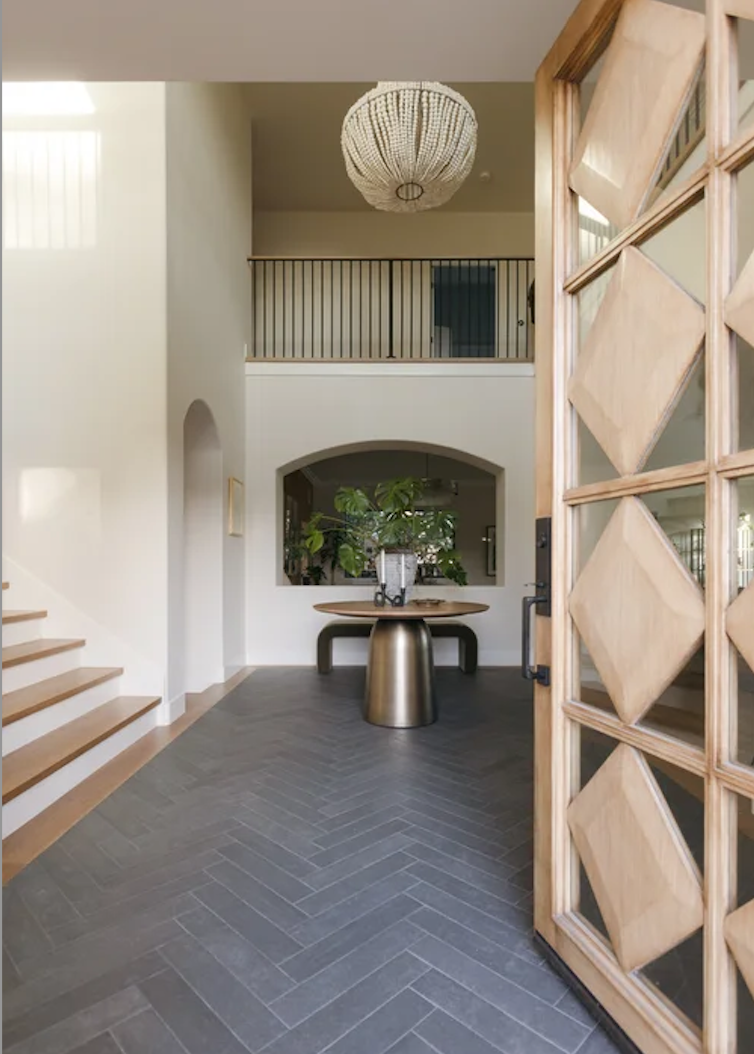
The best interior designer for a whole home renovation is someone who understands your lifestyle first, has experience with layout and construction, communicates clearly, and follows a structured process. Style matters, but alignment, expertise, and decision-making guidance matter more.
What Most People Get Wrong When Hiring a Designer
The most common mistake is choosing a designer based on style alone.
It’s easy to scroll through portfolios and think…
“I like how this looks.”
But here’s the reality:
Many designers repeat the same look from one project to another.
So your home ends up looking like everyone else’s.
More importantly, style alone doesn’t tell you:
how they think
how they solve problems
how they communicate
or how they design a space around your life
And that’s what actually determines the outcome.
What Actually Matters in a Whole Home Renovation
The most important thing is finding a designer who understands you.
Not just what you like… but:
how you live
how you want your home to function
what you want your space to support
Yes, layout matters.
Yes, design matters.
But those decisions only work when they are made in the context of your life.
1. Lifestyle First, Not Inspiration First
Before looking at inspiration images, a strong designer will start with questions.
They’ll want to understand:
your daily routines
your habits
your ideal lifestyle
how you want your home to feel
Whether that’s calming your nervous system, supporting your family, or creating better flow… this becomes the foundation for every design decision.
2. Layout and Flow Are Everything
In a whole home renovation, design is not just about what things look like.
It’s about how the home works.
This includes:
rethinking floor plans
improving circulation
creating better sightlines
aligning spaces with how you actually use them
These are the decisions that have the biggest impact… and the hardest to change later.
3. Construction Knowledge Matters
A designer who understands construction brings a completely different level of value.
They can:
work effectively with contractors
anticipate issues before they happen
make decisions based on existing conditions
help avoid unnecessary costs
This is especially important in South Bay homes, where remodels often involve working within existing structures rather than building from scratch.
4. Communication Should Feel Clear
You should always know:
what’s happening
what decisions are being made
and what comes next
A strong process creates clarity.
Without that, projects become stressful… and expensive.
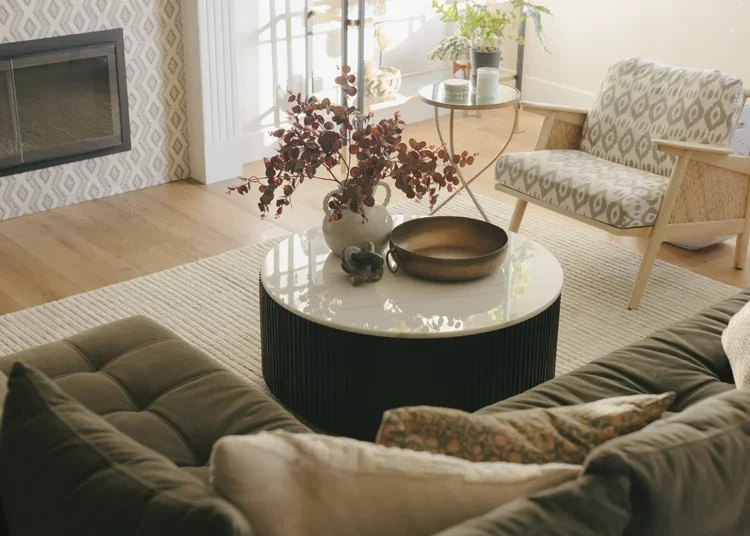
Understanding the Design Process
A well-structured process is one of the clearest signs you’re working with the right designer.
At a high level, it should look something like this:
Discovery
Understanding your lifestyle, goals, and how you want your home to support you.
Design Development
Creating a plan that reflects both your lifestyle and your personal aesthetic.
Collaborative Refinement
Aligning the design with what was uncovered in the discovery phase.
Sourcing
Selecting materials, finishes, and furnishings that support the overall vision.
Construction + Execution
Working with contractors to ensure the design is carried through properly.
The key is that the process is intentional… not reactive.
Whole Home Renovation vs. Decorating
A full renovation is very different from decorating.
It involves:
changing layouts
reworking kitchens and bathrooms
adjusting how the home functions
coordinating with contractors and trades
This is where experience matters most.
Because these decisions affect the structure of the home… not just how it looks.
Red Flags to Watch For
When hiring a designer, pay attention to:
No clear process
Limited construction experience
Unclear or vague pricing
Inability to explain design decisions
These are often signs that the project may not be well guided.
How to Think About Pricing
Hiring an interior designer is not just a cost… it’s an investment.
A helpful way to think about it:
A designer is like a financial advisor.
Anyone can buy stocks… just like anyone can pick tile.
But a financial advisor helps you choose the right investments based on your goals.
A designer does the same thing… making sure every decision aligns with:
your lifestyle
your home
and your long-term value
The return shows up in:
avoiding costly mistakes
saving time
creating a more cohesive home
increasing resale value
Who Gets the Best Results
The clients who get the best outcomes are the ones who:
trust the process
want guidance
feel unsure how to bring their vision together
are open to direction
Because that’s when the design can fully come together.
Outcomes You Can Expect
When the right designer is in place, the result is more than a finished home.
It’s a home that:
feels like you… but elevated
flows naturally
supports your daily life
and often sells for more when the time comes
Hiring a Designer in the South Bay and Los Angeles
In the South Bay… whether in Manhattan Beach, Redondo Beach, or Palos Verdes Peninsula… many renovations involve working within existing homes and improving layout and flow.
In Los Angeles more broadly, projects often vary more widely in scale and style, making it even more important to have a clear design direction and strong process.
In both cases, the right designer helps bring clarity to complexity.
Designing Homes That Actually Work
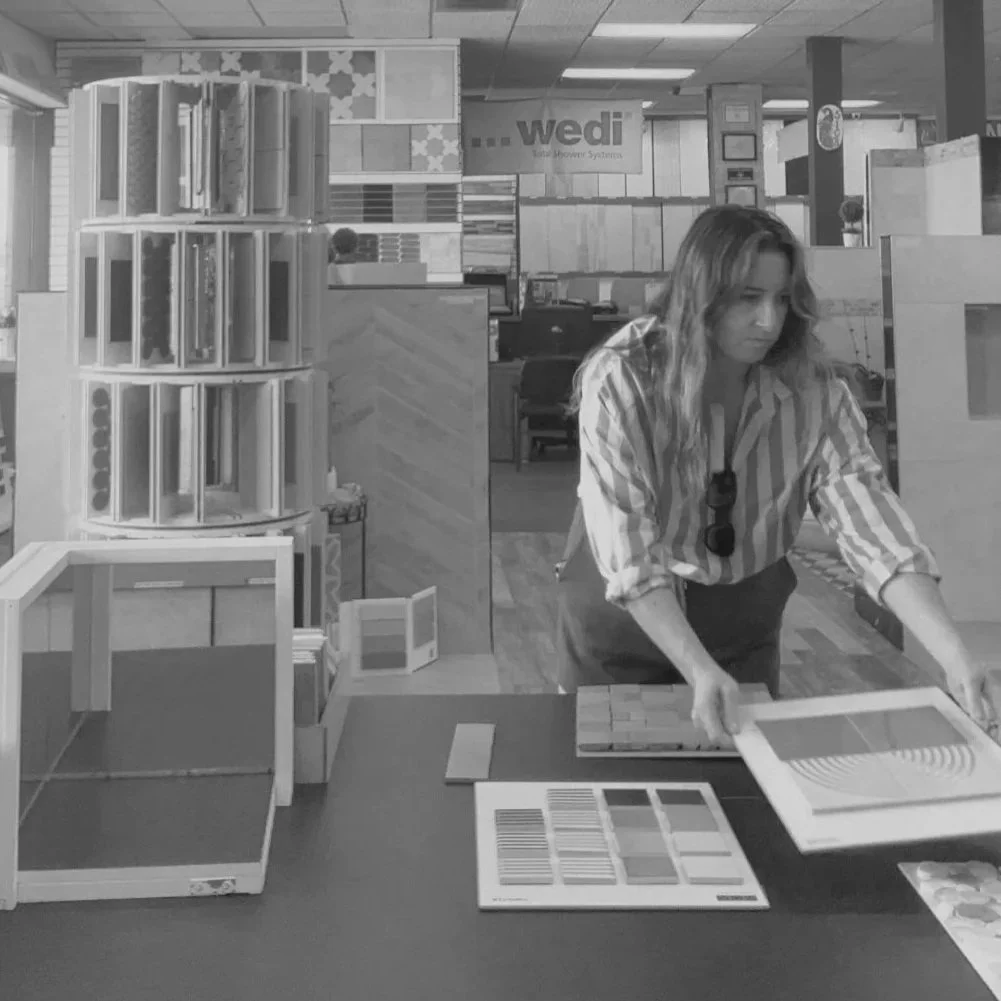
At Michelle Accetta Home, the process is built around understanding how clients want to live first… then designing spaces that support that vision.
The focus is not just on creating something beautiful…
But on creating a home that feels aligned, intentional, and supportive long after the project is complete.
FAQ’S
How do I choose the right interior designer for a renovation?
Look for someone who understands your lifestyle, has experience with layout and construction, communicates clearly, and follows a structured process.
Should I hire a designer before a contractor?
Yes. A designer helps define the vision, layout, and selections before construction begins, which leads to better outcomes.
How much does it cost to hire an interior designer?
Costs vary, but working with a designer helps prevent expensive mistakes and often increases long-term home value.
What does an interior designer do during a renovation?
They guide layout decisions, select materials, coordinate with contractors, and ensure the final design is executed properly.
Is hiring an interior designer worth it?
Yes. A designer improves functionality, aesthetics, and resale value while reducing stress and saving time.
