
How I Became an Interior Designer (It Was Not Exactly a Straight Line)

If you had asked me when I was ten years old whether I wanted to become an interior designer, I probably would have had no idea what you were talking about.
But I would have happily rearranged your bedroom.
Growing up, my mom was fairly strict about what we could do to our rooms. We were not even allowed to tape things to the walls. My best friend's mom, on the other hand, gave her much more creative freedom.
So naturally, I took advantage of it.
I remember going to her house as early as elementary school and rearranging her bedroom. Furniture would move. Things would get restyled. A new layout would suddenly appear.
And, for the record, I still rearrange her house today.
Looking back, there were clues everywhere.
My mom loved going to open houses, and I loved going with her. I distinctly remember walking through a home under construction in Palos Verdes Estates when I was young. It was completely open to the studs, and instead of seeing an unfinished house, I remember being fascinated by it.
There was something about seeing what was behind the walls and imagining what the house could become that felt incredibly exciting to me.
When my parents remodeled their home while I was in high school, I helped my mom with the plans. She has a great design eye herself, and I am sure watching her make decisions about our own home influenced me more than I realized at the time.
Still, I did not know I wanted to be an interior designer.
I thought I wanted to be an architect.
The Construction Management Detour That Wasn't Really a Detour
When it came time for college, I wanted to study architecture because I knew I wanted to design homes.
My dad encouraged me to pursue Construction Management instead. At the time, I thought I would graduate and build custom homes.
So I enrolled in the Construction Management program at Cal Poly San Luis Obispo, one of the top construction programs in the country.
During my first week of college, we attended a meet-and-greet with the professors. One of the Construction Management professors looked at me and told me I would not graduate with a Construction Management degree because I would not pass calculus.
He knew absolutely nothing about me, besides that I was a freshman and a woman.
With much determination, I graduated with a Construction Management degree along with only two other women in my graduating class.
And yes, I passed calculus.
Ironically, one of my favorite classes in college ended up being Architectural Engineering.
At the time, I thought my degree was preparing me to build houses. What I did not realize was that it was giving me an education that would eventually make me a much stronger interior designer.
I learned how buildings actually go together. What is inside the walls. Why beams are where they are and what they do. How electrical, HVAC, and structural systems affect a plan. How changes on paper translate into labor, materials, time, and money in the field.
Today, that knowledge is one of the most valuable things I bring to my design clients.
But first, I had to survive graduating into a recession.
From My Parents' Couch to Real Estate
When I graduated from college, the construction job market was terrible.
I moved home and was quite literally sleeping in my parents' living room while trying to figure out what came next.
I decided I needed options.
While applying for construction jobs, I enrolled at El Camino College to take the courses necessary for my real estate license. My strategy was basically: whichever career works first wins.
Eventually, I landed a corporate job as a meeting planner, although "glorified travel agent" is probably a more accurate description of what I was doing.
I lasted just under two years.
Coming from a long line of entrepreneurs, I quickly learned that I needed creativity, independence, and room to grow. A roughly four-percent raise after a year and a half was not exactly inspiring me to climb the corporate ladder.
So I quit.
And I started selling real estate.
When I say "started selling real estate," I mean I knocked on doors, hosted open houses, and toured virtually every house that came onto the market that I could get into.
That education was invaluable.
I learned neighborhoods. I learned pricing. I learned what buyers responded to. I sat through countless home inspections. I watched buyers walk into houses and immediately fall in love with some while mentally calculating renovation costs in others.
The work paid off. I was named a top new agent and went on to become a top-producing agent multiple times.
But something else was happening along the way.
I was becoming increasingly obsessed with the houses themselves.

The Projects That Started Changing Everything
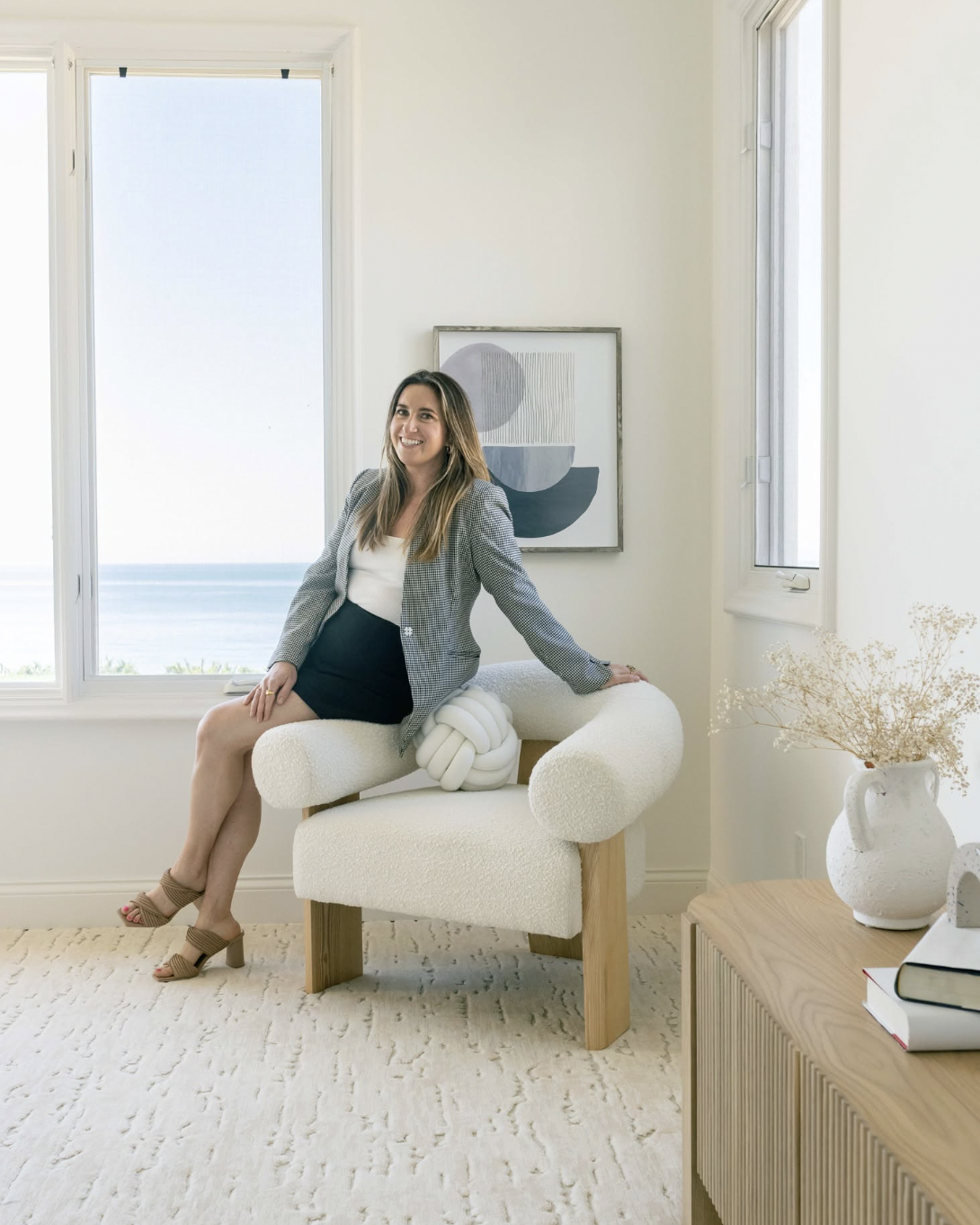
At the height of my real estate career, I had the opportunity to work with a developer building custom homes in an oceanfront community in Rancho Palos Verdes.
It was one of my favorite experiences in real estate.
Many of the homes sold before they were completed, which meant I was able to watch construction changes happen during the building process and see how architects, builders, and interior designers worked together.
On one of the projects, I was even able to step into a pseudo-interior-designer role.
I loved it.
I also started noticing something with my real estate clients.
I would walk through houses with buyers and point out changes they could make.
"Move this."
"Open this."
"Change that lighting."
"This kitchen would completely change if you did this."
Then I would sell them the house, come back a year later and discover that they had actually done what I suggested.
And it looked great.
That was extremely satisfying.
But it was working with sellers that really began to connect real estate and design for me.
As the market boomed, I saw again and again that homes that felt updated, cohesive and move-in ready could command significantly higher sales prices.
The interesting part was that sellers often did not need a massive renovation to get there.
They needed the right improvements.
So I began creating pre-sale improvement plans for my listings: paint, flooring, lighting, tile and other strategic changes that could dramatically change the way a property presented without over-improving it.
Suddenly I was sourcing materials, choosing finishes, coordinating trades and watching spaces transform.
I was having way too much fun.
And my clients were making more money.

The $7.4 Million House That Made Me Pay Attention
One project in particular changed the way I thought about what I was doing.
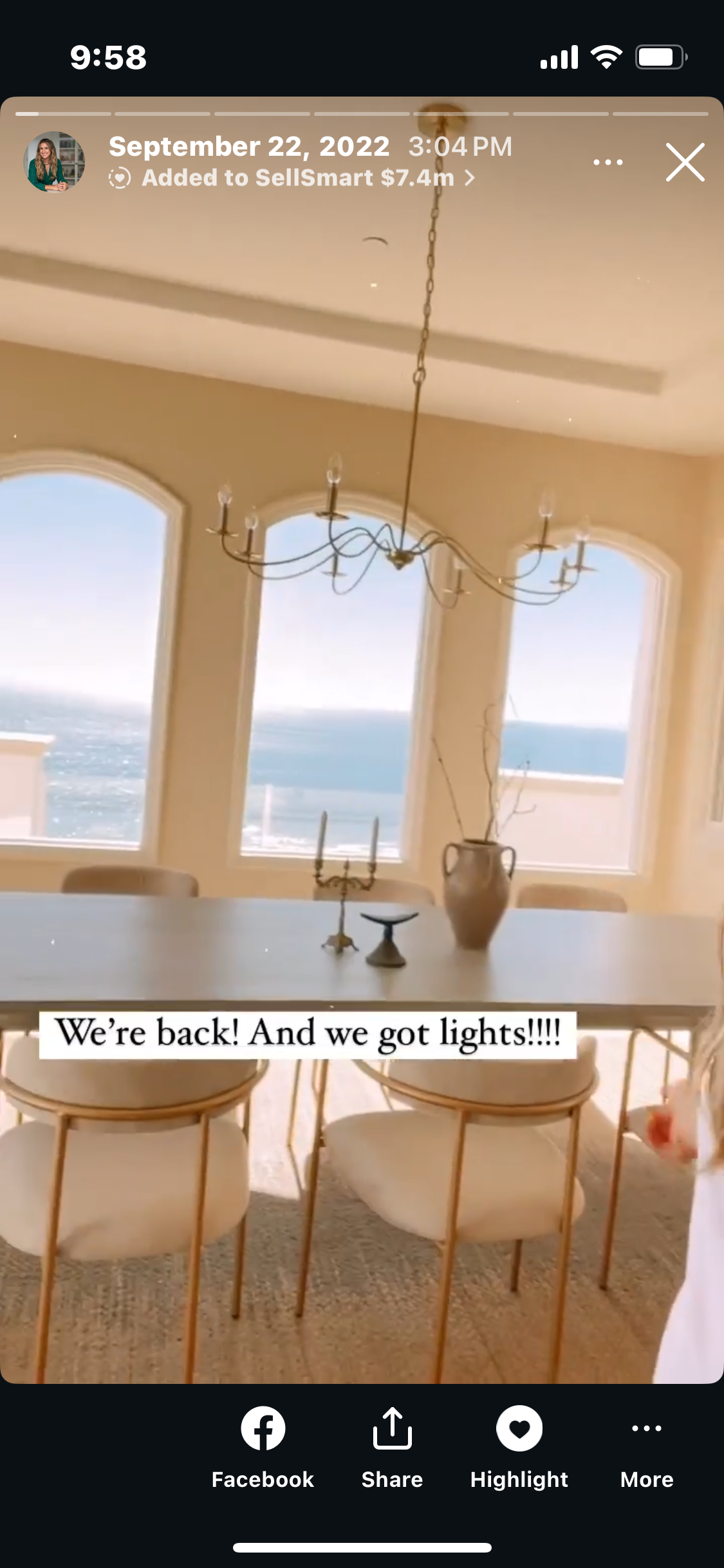
The most expensive home I had sold at that point was a $7.4 million property.
Before bringing it to market, I developed an improvement plan for the home. I sourced lighting, changed flooring, selected paint and worked alongside one of the country's leading construction companies to execute the improvements.
Watching that home transform was incredibly rewarding.
Yes, I loved the finished product.
But I also loved that the design decisions had a measurable impact on my client's financial outcome.
That combination fascinated me.
I was not interested in making homes beautiful simply for the sake of making them beautiful.
I loved understanding which changes mattered, why they mattered and what they could do for the value, function and experience of a home.
That project made me realize there might be something bigger here.
Apparently, my clients thought so too.
After moving into their new homes, past real estate clients started calling me.
"Can you help with our kitchen?"
"Can you help with our bathroom?"
"Can you help us figure out the house?"
At some point, I had to acknowledge the obvious.
I was doing interior design.
The Very Cautious Career Change
You would think that once I realized how much I loved design, I immediately jumped in with both feet.
Absolutely not.
I was terrified.
I had built a successful career in real estate. I knew how that business worked. I knew how I got paid.
Interior design?
I genuinely had no idea how interior designers even charged.
So instead of dramatically announcing my new career, I did what any cautious overthinker would do.
I booked a weeklong intensive interior design boot camp in Portland, Oregon.
My plan was simply to test the waters.
I went into the program extremely hesitant.
I left wanting my first project immediately.
Not long after, a past real estate client referred me to a family member who owned a beautiful home on the canals in Long Beach.
That project sealed it for me.
I loved the process. I loved the problem-solving. I loved seeing a vision come together over time.
I was sold.
Mostly.
I still had to convince myself I was actually allowed to call myself an interior designer.
Learning to Say, "I'm an Interior Designer"
I dealt with a lot of imposter syndrome in the beginning.
Despite the construction degree, the years of working with homes, the renovation projects, the design clients and everything else that had led me there, saying the words "I'm an interior designer" felt strangely uncomfortable.
One thing that helped was joining the Palos Verdes Peninsula Chamber of Commerce as an interior designer.
I had to introduce myself that way.
Again.
And again.
And again.
Eventually, I stopped feeling like I was pretending.
I realized I had not suddenly become a designer.
I had actually been building toward this career for most of my life.
I just had not known what to call it yet.
Construction, Real Estate and Design All See a Home Differently
Today, I am incredibly grateful that I did not take the most direct route into interior design.
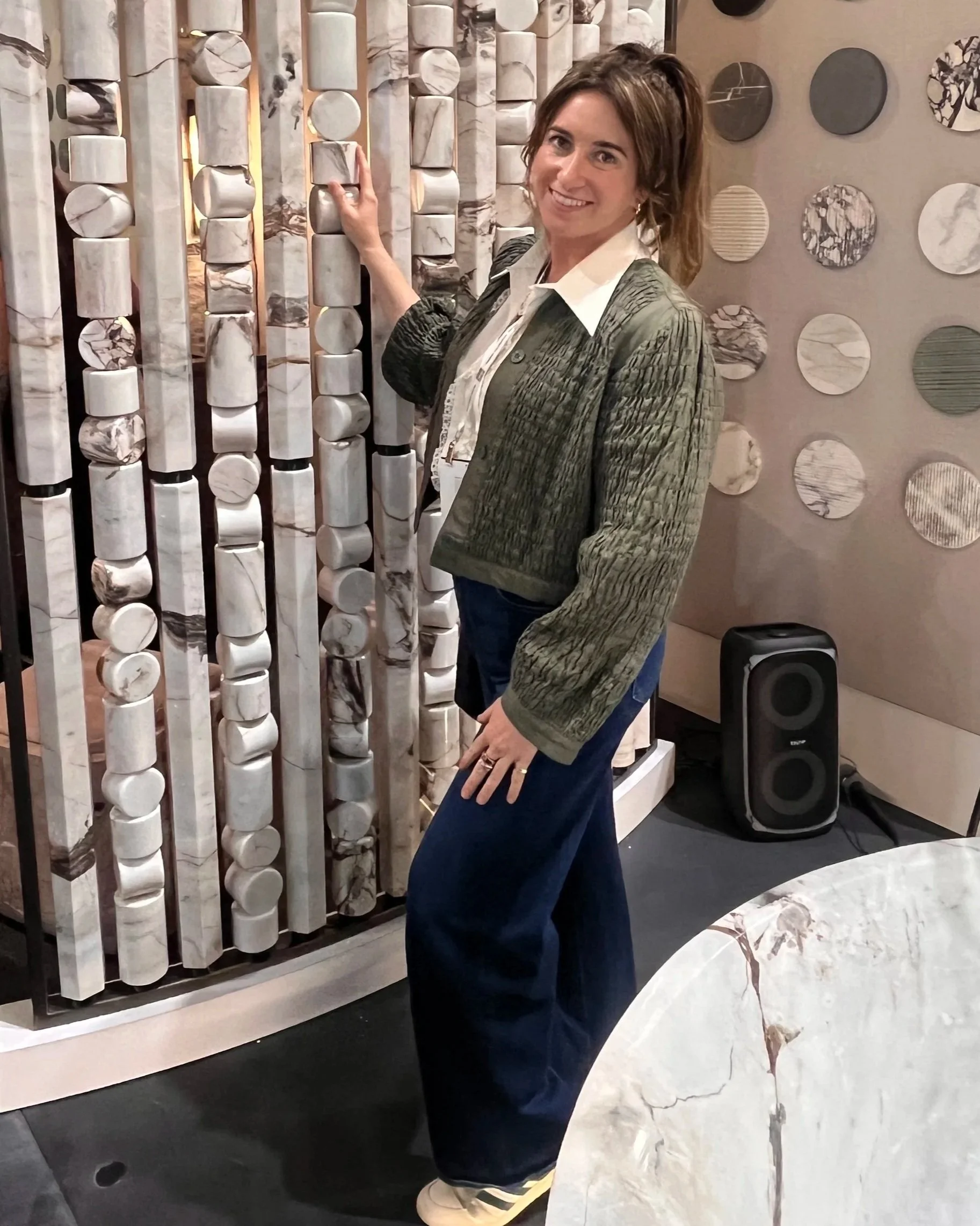
My Construction Management education allows me to look at a drawing and think beyond what something will look like.
If we move this wall, what is likely happening structurally?
What is going on with the HVAC?
Where is the electrical coming from?
Could this design decision require changes to a beam?
What might an architect or engineer need to address?
And most importantly: what could that decision cost my client?
Sometimes the answer is, "It is absolutely worth doing."
Sometimes it is, "You can achieve 90 percent of the effect without spending an additional $50,000."
My job is to help my clients understand the difference.
My real estate background adds another layer.
I have walked through thousands of homes, studied comparable sales, represented buyers and sellers and watched firsthand which improvements translate into value.
When I am designing a client's home, I cannot turn that part of my brain off.
I am always considering the home itself, the neighborhood, the investment and whether the decisions we are making make sense for that particular property.
That does not mean every design decision needs to have a financial return.
You are supposed to enjoy living in your house.
But when we are talking about major investments, I think clients deserve a designer who understands both sides of the equation.
And Then There Was Feng Shui
During the pandemic, I decided to study Feng Shui.
I had always been interested in the idea that our surroundings affect the way we feel.
As part of my certification, I was required to complete two Feng Shui consultations.
I was so excited about them that I did four.
What I learned completely changed the way I think about space.
Now, the fundamentals of Feng Shui naturally show up in my design work: how you enter a room, how furniture placement makes you feel, how energy moves through a space, how balanced a room feels and how a home's layout supports the way someone actually lives.
Once you understand those principles, you cannot exactly unlearn them.
So, How Did I Become an Interior Designer?
It turns out I did not wake up one morning and decide I liked throw pillows.
I studied how homes are built.
I spent years walking through houses as a real estate agent.
I sat through inspections.
I watched buyers.
I advised sellers.
I worked with builders.
I renovated homes before bringing them to market.
I learned how design could dramatically impact a property's value.
I studied Feng Shui.
And eventually, after years of doing pieces of the job without realizing it, I finally called myself an interior designer.
Today, when a client hires me, I want them to feel confident handing me some of the most expensive decisions they will make about their home.
Because I am not looking at their house from only one perspective.
I am looking at how it is built.
How it functions.
How it feels.
How it looks.
And how the decisions we make today may affect its value tomorrow.
Apparently, all those years ago when I was rearranging my best friend's bedroom, I was onto something.
And yes, I still move her furniture.
