
The Invisible Thread: What Makes a Luxury Home Feel Cohesive
One of the most common reasons clients come to me is simple: they want their home to feel cohesive.
They do not want to walk from one beautifully designed room into another beautifully designed room and somehow feel like they have entered an entirely different house.
The spaces need to talk to one another.
Not loudly. Not in an overly coordinated, everything-must-match kind of way. But through a subtle, invisible thread that runs from room to room and makes the entire home feel intentional.
That thread is one of the most important parts of good design, especially when you are building or renovating a home with a significant investment behind it.
Because at this level, the goal is not simply to choose beautiful things. There are plenty of beautiful tiles, light fixtures, cabinets, countertops and furnishings in the world. The real work is knowing which beautiful things belong together, which ones support the architecture, and which ones will still feel right years from now.
Cohesion Does Not Mean Every Room Looks the Same
A cohesive home should not feel repetitive.
Each space can have its own personality. A powder bath can be playful. A kitchen can feel clean and architectural. A primary suite can be softer and more restful.
The key is that they should all feel like members of the same family.
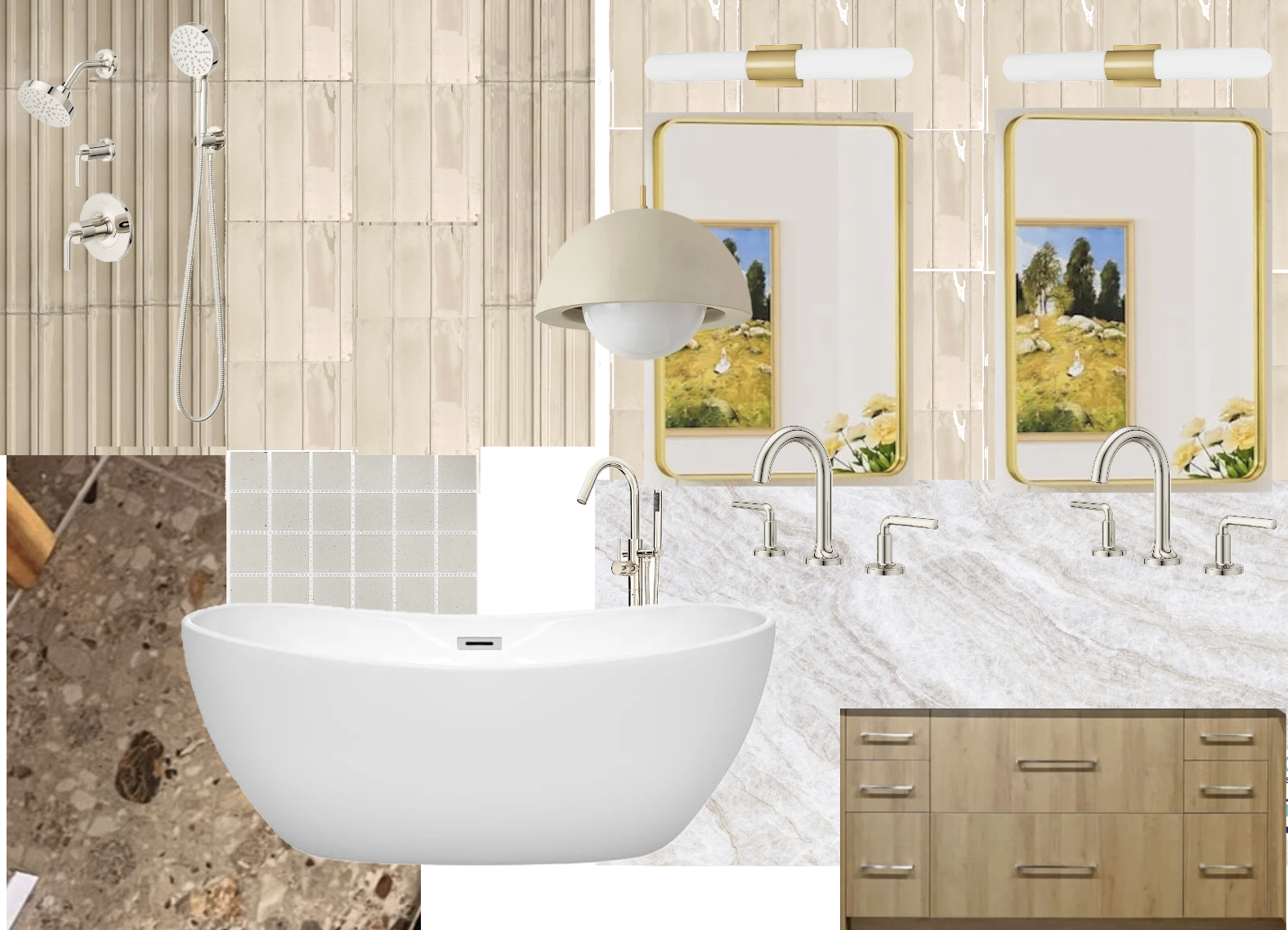
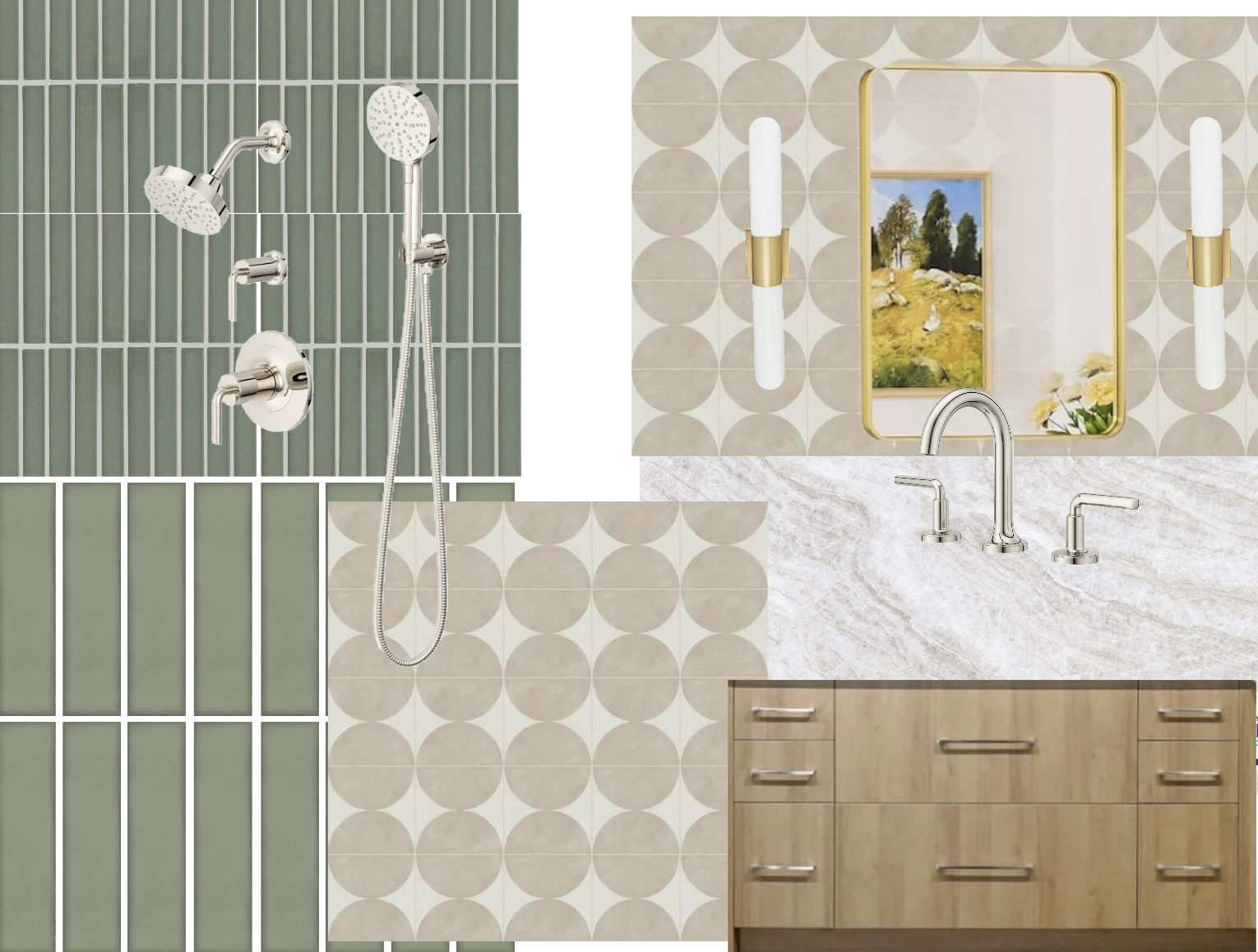
Think of it like an invisible string tied through the home. You may not immediately see it, but you can feel it. It might show up through a repeated curve, a consistent metal finish, a certain color temperature, a shared material, or the way lighting is carried from one room into the next.
The thread changes from project to project because every client, home and architectural style is different.
But it always begins with the same question: What are we trying to create?
Start With the Architectural Language
Every design style has its own visual language.
Just like fashion, architectural styles have specific identifiers. Certain curves, lines, materials, colors, proportions and finishes help define the look.
Those identifiers create the baseline.
In a modern home, that baseline might include clean cabinetry, simple lines, stacked tile and globe lighting. In another style, the visual language may be completely different.
My approach is to respect that original language without allowing the home to become predictable.
I want to give an ode to the style, then elevate it.
That is where the design begins to feel personal.
Rather than copying every recognizable feature of a particular style, we use those elements as a foundation. Then we reinterpret them in a fresh way that reflects the client, the location and the architecture of the home.
This is also how a home becomes timeless instead of trendy.
Trendy design often relies too heavily on what is popular in the moment. Thoughtful design understands the history and identifying features of a style, then builds on them with restraint.
A Modern Home With a Subtle Beach Influence
In one renovation, my client wanted a more modern home with a slight beach influence.
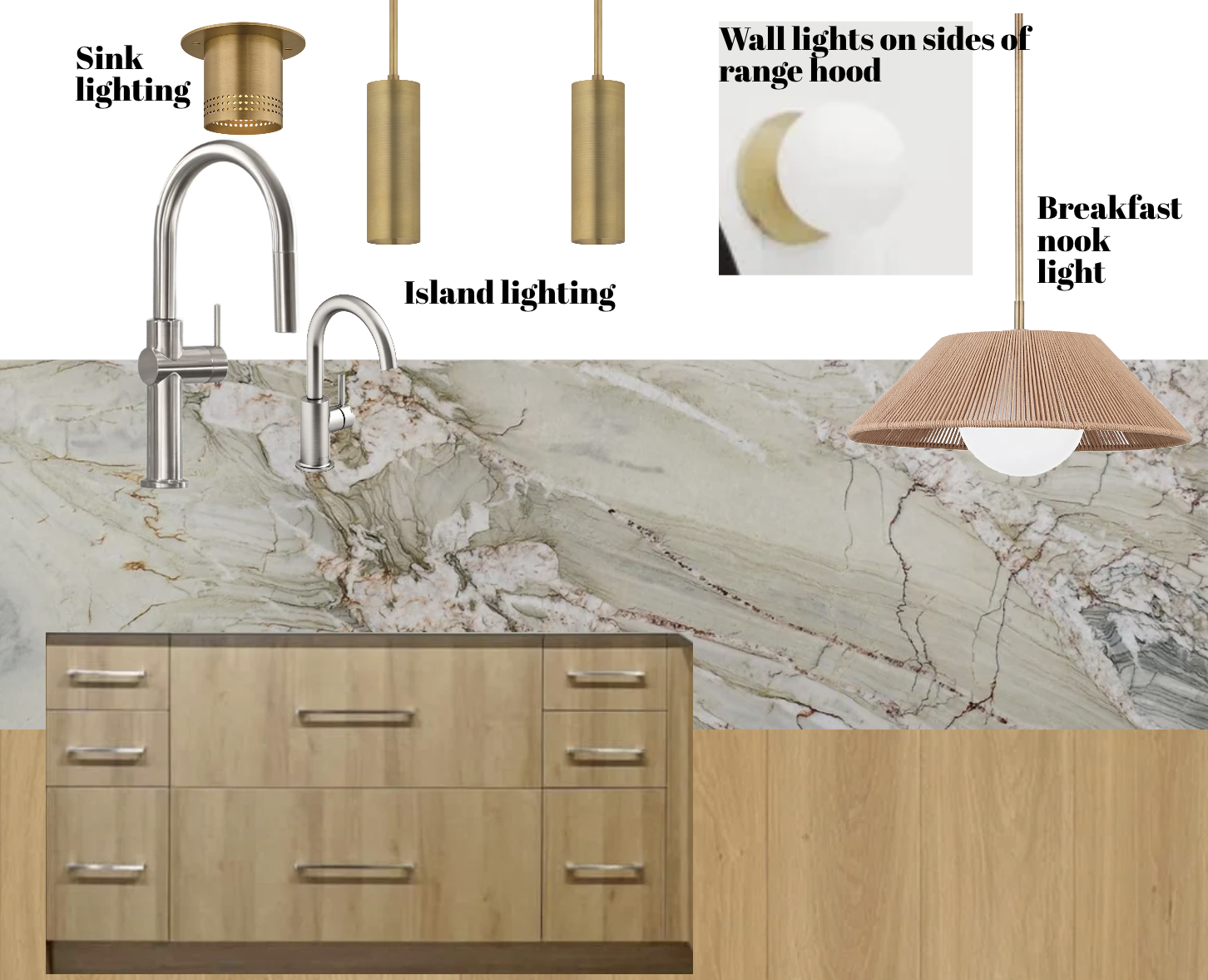
We began with modern design identifiers: clean-lined cabinetry, stacked tile and globe-inspired lighting. Those elements established the overall tone of the home.
Then we began layering in the client’s personality.
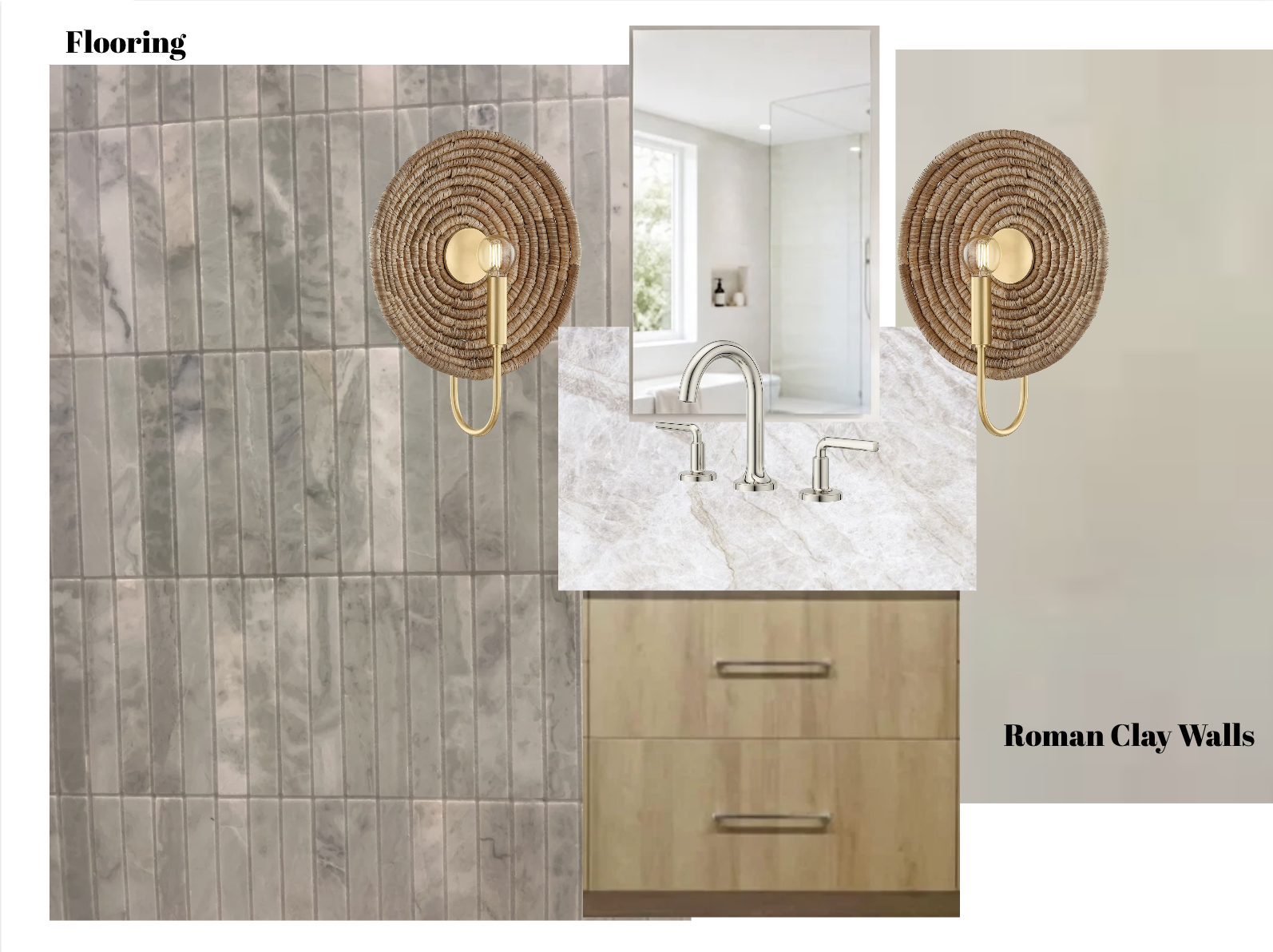
In the powder bath, we used an Emerald Shores honed marble mosaic. The stacked composition nodded to the modern tile used elsewhere in the house, but the marble elevated it and gave the room a more elevated feel and current look.
Rattan light fixtures introduced the beach influence, while their small round lights connected back to the globe fixtures sprinkled throughout the home.
Even the sconces were placed thoughtfully. Because the powder bath was narrow, we positioned them on the left and right walls beside the sink. It solved a spatial challenge while giving the room an unexpected, custom detail.
Nothing was repeated exactly, but everything was connected.
That is the invisible thread.
Why This Matters When You Are Making Hundreds of Decisions
A custom build or large-scale renovation comes with an enormous number of decisions.
Some are exciting. Some are highly technical. Some seem small until you realize they affect six other selections and three rooms you have not designed yet.
This is usually where clients begin to feel overwhelmed.
They are not only worried about choosing the wrong tile or light fixture. They are worried about making expensive mistakes, losing control of the budget, or ending up with a home that feels dated before they have fully settled into it.
A designer’s job is not simply to help make individual selections.
It is to see the whole picture.
Every decision should support the larger vision. Materials need to relate to one another. Architectural details need to transition naturally. Lighting, cabinetry, flooring and finishes need to be considered across the entire home, not selected room by room in isolation.
When that larger vision is established early, decisions become clearer. The project becomes more focused. And the investment is protected because fewer choices are made reactively.
The Best Luxury Is Often the Part You Cannot Immediately Explain
When a home is well designed, you may not be able to point to one specific feature and say, “That is why this works.”
It simply feels right.
The spaces flow. The details feel connected. The home reflects the client without feeling overly themed or decorated.
That feeling is not accidental.
It is the result of hundreds of decisions being made with the same vision in mind.
A cohesive luxury home requires a designer who can see the whole picture, protect the integrity of the design and carry that invisible thread through every space.
Because when you are making this level of investment in your home, beautiful rooms are only the beginning.
The real goal is a home that feels complete.
Frequently Asked Questions About Creating a Cohesive Luxury Home
What makes a home feel cohesive?
A home feels cohesive when its rooms share a consistent design language. That does not mean every room needs to look the same. Instead, elements such as architectural lines, materials, finishes, colors, lighting and shapes are thoughtfully carried throughout the home so that each space feels connected to the larger vision.
How can different rooms have their own personality and still flow together?
Each room can have a distinct mood or purpose while still relating to the rest of the home. The connection may come through a repeated curve, a familiar material, a consistent color temperature or a new interpretation of a detail used elsewhere. The goal is not to repeat everything exactly. It is to create subtle relationships between the spaces.
When should an interior designer become involved in a custom build or major renovation?
Ideally, an interior designer should be involved early in the planning process. Decisions about architecture, cabinetry, lighting, electrical placement, plumbing, flooring and finishes often affect one another. Bringing a designer in early helps establish a clear vision before expensive decisions are made and reduces the likelihood of reactive changes later.
How does an interior designer help protect the investment in a luxury home?
An interior designer looks beyond individual selections and considers how every decision supports the entire home. This helps prevent costly mistakes, unnecessary replacements and disconnected design choices. A clear design direction also makes the decision-making process more efficient and helps the project remain focused on the agreed-upon priorities and budget.
How do you create a timeless home without making it feel too traditional?
Timeless design is not about avoiding personality or relying only on traditional choices. It begins by understanding the identifying features of a particular architectural style and then elevating them in a fresh, personal way. This creates a home that feels rooted in its architecture without looking predictable, overly trendy or copied from a moment in time.
Can a cohesive home include more than one design influence?
Yes. Many of the most interesting homes combine influences. The key is to begin with a clear baseline style and layer in secondary influences thoughtfully. For example, a modern home may include subtle coastal elements through natural materials, texture or lighting while maintaining the clean lines and architectural details that define the overall design.
Why is designing each room separately risky?
When rooms are designed in isolation, the home can begin to feel like a collection of unrelated ideas. A tile, fixture or finish may be beautiful on its own but still feel out of place when viewed alongside the rest of the house. Designing from a whole-home perspective creates continuity and helps every selection contribute to the same story.
